

材料牌号 · POM(聚甲醛)
POM(聚甲醛)
最后更新:16 10 月, 2026
适合低振动、维维稳定的功能部件的工程塑料。
概述
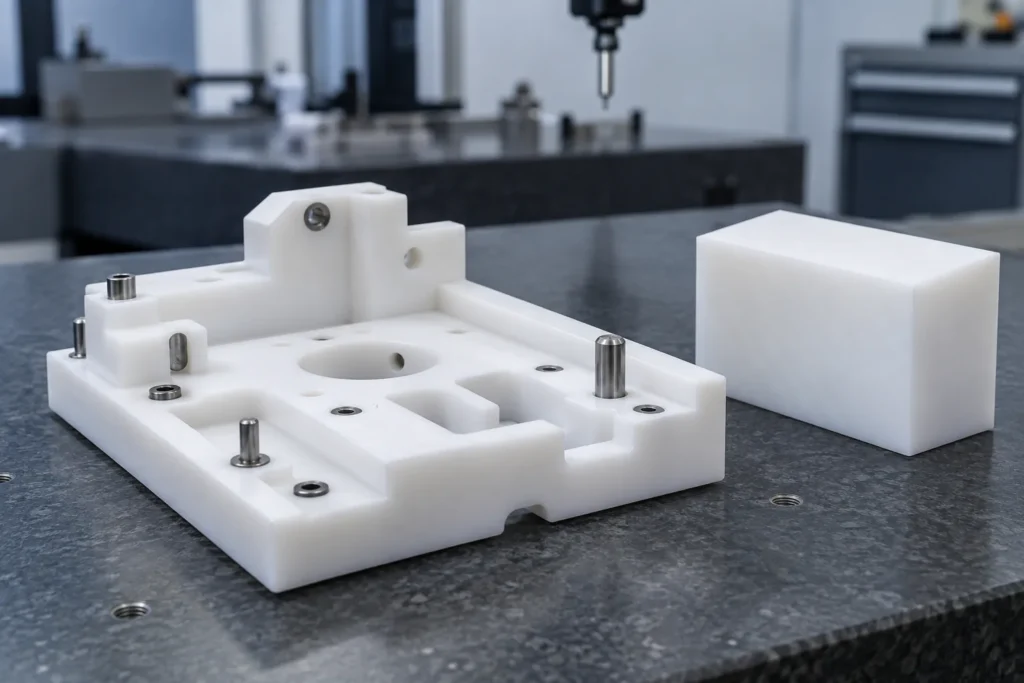
Polyoxymethylene, commonly called POM(聚甲醛) or acetal, is an engineering thermoplastic valued for low friction, good wear behavior and comparatively stable dimensions. Homopolymer and copolymer grades differ, and additives can change friction, color, conductivity or regulatory status.
POM(聚甲醛) is often evaluated for bushings, guides, gears, fixtures and precision plastic mechanisms. It remains sensitive to heat, clamping pressure and internal stress. The exact resin grade and stock producer data are more important than a generic polymer name.
Scope note: This article explains general material behavior. It is not a statement that every form, temper or grade is held in stock. AYBERK confirms sourcing, process capability and project requirements through manual RFQ review.
材料特性
以图纸要求为依据选材
材料 is reviewed against function, environment and finishing requirements.
加工工艺评审
根据几何形状和关键特征确定刀具、装夹和工艺规划。
可追溯的材料规格
客户应说明所需职等和任何文件需要RFQ.
技术性能
使用数值时须同时核对所注明的合金状态、产品形态和来源标准;空白数值不作推断。
一般性能
- 指定Specify manufacturer grade and stock datasheet; generic classification may reference ISO 9988
- POM(聚甲醛)
- 参考条件/表格Confirm on purchase specification and drawing
- Extruded or cast stock, grade and conditioning confirmed
物理性能
- 参考密度Typical handbook or supplier-datasheet value; not an acceptance limit
- typically about 1.41 g/cm³, grade-dependent
- 实物财产解释Use the selected grade datasheet for design calculations
- Low moisture uptake relative to nylon supports stability, but thermal expansion is far higher than metals.
机械性能
- 机械 - 相称性解释Condition, thickness and test method must be stated
- Modulus, strength and impact values depend on resin family, additives, temperature and test conditioning.
化学成分数据
- 组成控制Specify manufacturer grade and stock datasheet; generic classification may reference ISO 9988
- POM(聚甲醛) is an acetal polymer available as homopolymer and copolymer families with optional additives. Resin trade names are not interchangeable without approval.
可加工性与工艺说明
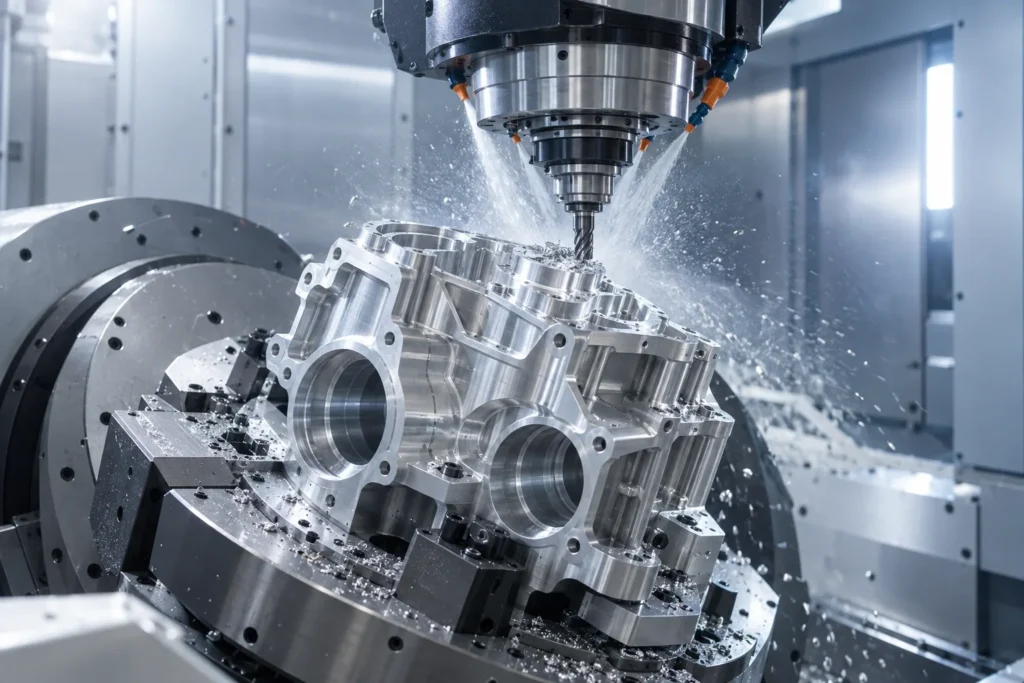
锐利的抛光工具、低切热和芯片清扫有助于防止熔化或涂抹边缘。 夹子应该分配负荷,而薄片在重存货清除后可以放松。 使用半径转换,避免金属般的按压不进行热分析,并允许对服务温度进行现实的耐受度。 Deburr 不要对边缘过热。 最后饲料、速度、工具、冷却剂、工作控件和检查都是从绘图和经核实的库存中作出的程序决定。
典型应用
精密部分
Drawing - 工业和工程方案的牵头部分。
原型验证
适合、组装和业绩审查的职能部分。
重复批量生产
附有一致进程规划的文件。
表面处理适用性
被遗弃
通常首选; 控制工具标记、 粘土和边缘间距 。
波兰功能表面
某些地区可能具有特色,并受到认真管理。
标记标记
机械或激光标记取决于职等和对比要求。
优势与局限
优势
低摩擦, 良好的穿戴行为, 电绝缘 和有用的维维稳定性 工程塑料。
限制
热量扩张、cre、易燃性和化学兼容性限制了金属的直接替代。 交火可能很困难。
设计注意事项
指定同性聚合物或共同聚合物以及任何食物、 颜色、 静态或磨损等级。 考虑持续负荷下的爬子, 并允许在整个操作温度下通关。 如果特性对安全至关重要, 请指定管理标准、 批量文件和所需的测试证据 。 应区分尺寸要求和化妆要求,以便在正确的生产阶段对其进行检查。
材料 composition and specification
POM(聚甲醛) is an acetal polymer available as homopolymer and copolymer families with optional additives. Resin trade names are not interchangeable without approval.
Reference framework: Specify manufacturer grade and stock datasheet; generic classification may reference ISO 9988 The purchase document and material certificate govern; this overview is not a certificate of conformity.
CNCchin手建议
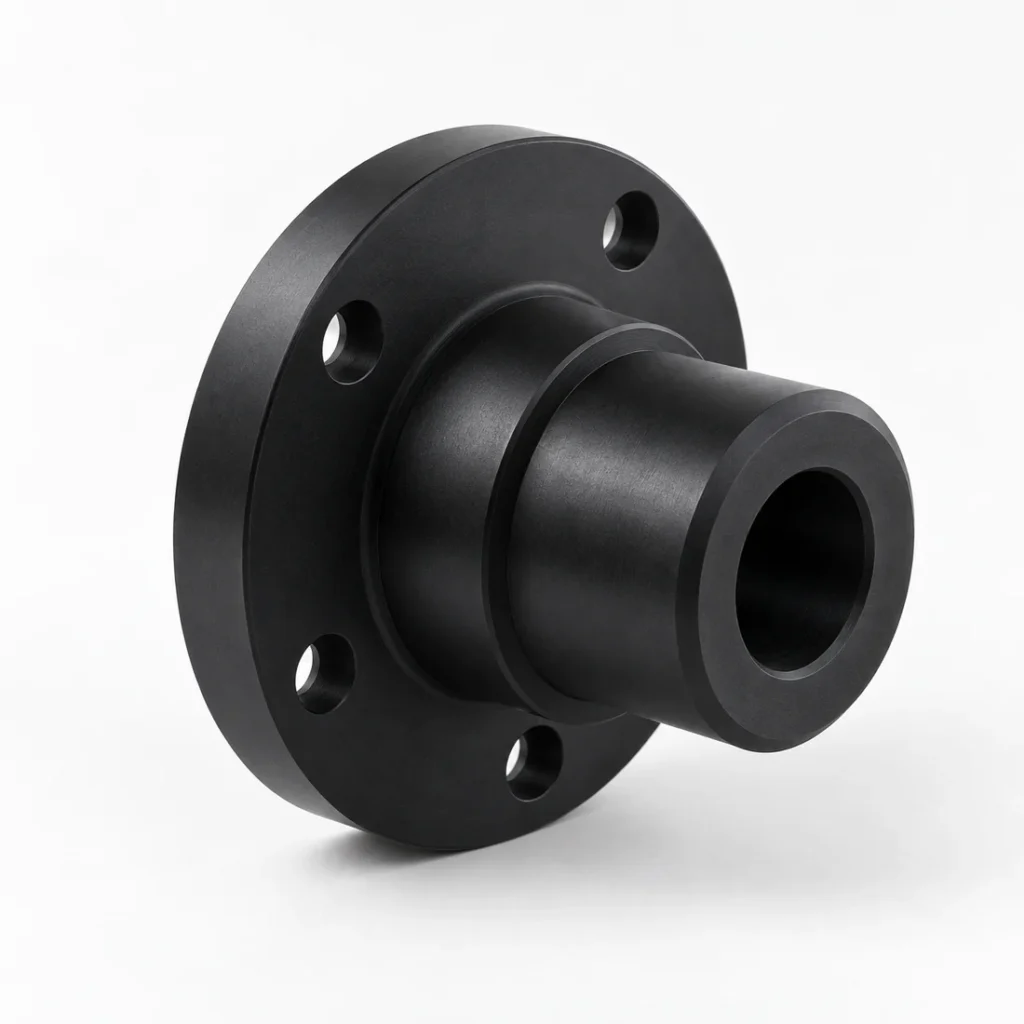
使用半径转换,避免金属般的压质不进行热分析,并允许对服务温度进行现实的容忍度。 Deburr而不对边缘过热。 具体几何决定包括储备量、支持、切割reach、 粘结控制、 热管理以及关键维度的验证点。 与绘图共享预期数量和完成要求 。
材料 selection guidance
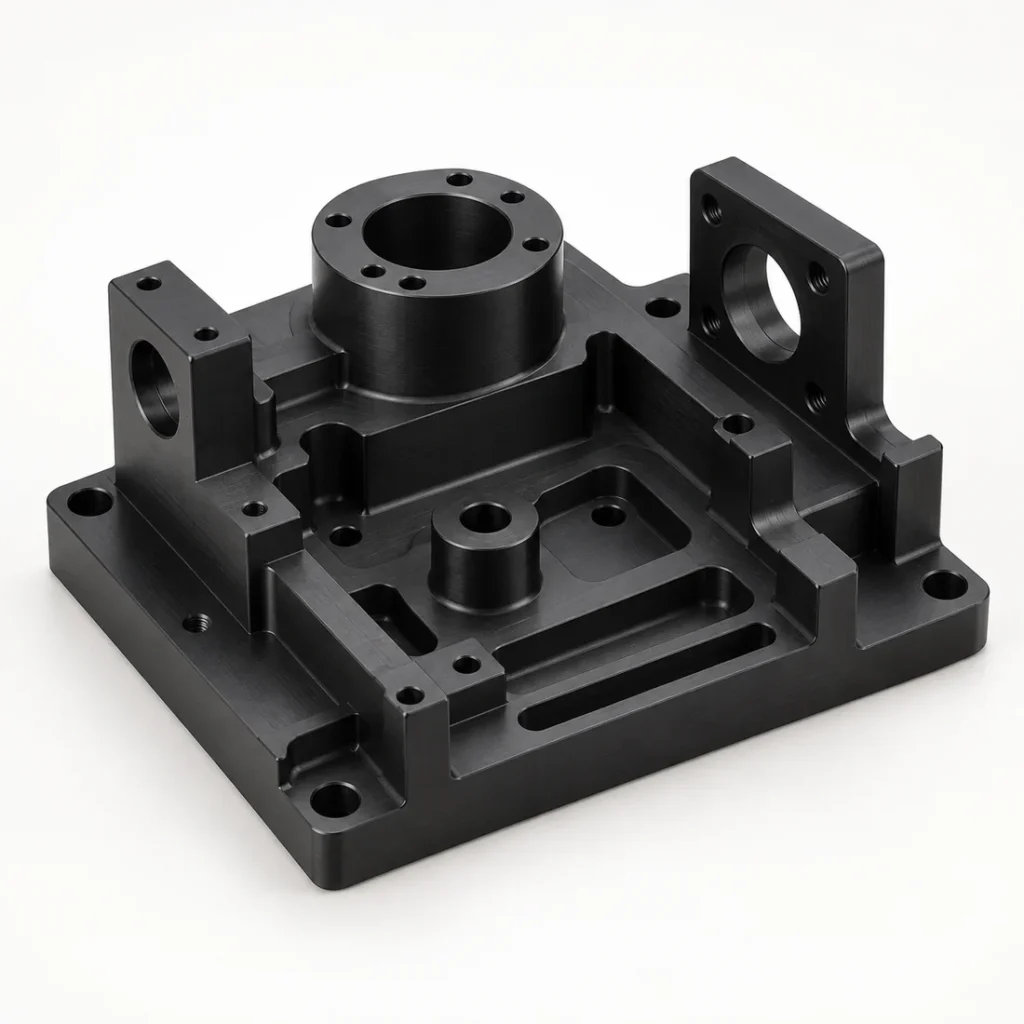
Choose POM(聚甲醛) for low-friction precision plastic parts in moderate environments. Compare PA6 for toughness and load capability, PC for impact and transparency, and metal where stiffness or temperature dominates.
If an alternative is acceptable, state the performance priorities instead of naming an uncontrolled substitute. Any alternative remains subject to customer approval.