

Material grade · Pure Copper
Pure Copper
Last updated October 12, 2026
A conductive material commonly selected for thermal and electrical components.
Overview
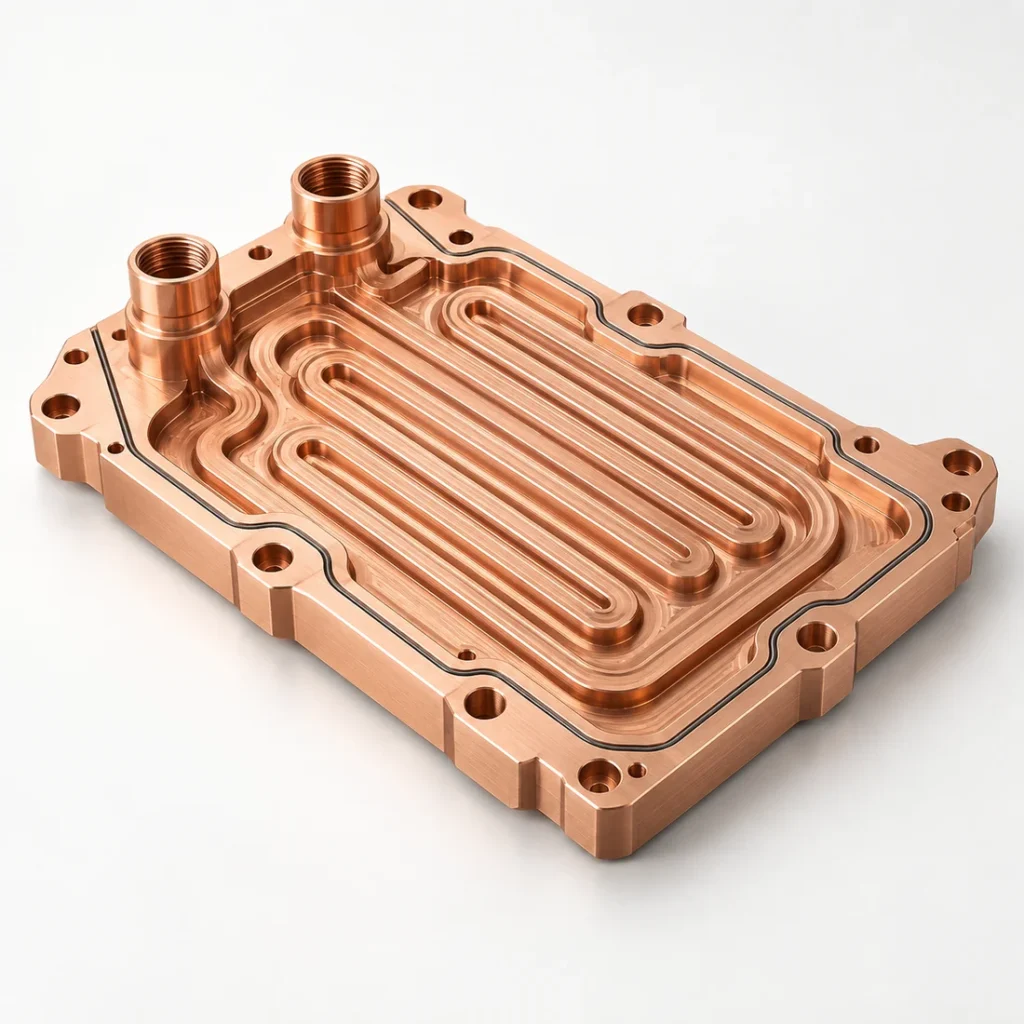
T2 is a Chinese high-purity copper designation used where electrical or thermal conductivity is a primary requirement. It may be considered for bus components, electrodes, cold plates and conductive interfaces, subject to the correct product form, condition and certificate.
Copper is ductile, dense and highly conductive, but it can be demanding to machine because it tends to smear, form burrs and carry heat. The design must distinguish conductivity requirements from mechanical strength and include environmental or surface-protection needs.
Scope note: This article explains general material behavior. It is not a statement that every form, temper or grade is held in stock. AYBERK confirms sourcing, process capability and project requirements through manual RFQ review.
Material characteristics
Drawing-led selection
Material is reviewed against function, environment and finishing requirements.
Machining review
Geometry and critical features guide tools, workholding and process planning.
Traceable specification
Customers should state the required grade and any documentation needs on the RFQ.
Technical properties
Use values only with the stated alloy condition, product form and source standard. Blank values are intentionally not inferred.
General properties
- DesignationGB/T 5231 copper grade designation plus the applicable plate, bar or tube product standard
- T2
- Reference condition / formConfirm on purchase specification and drawing
- Product form and hard/soft condition must be stated
Physical properties
- Reference densityTypical handbook or supplier-datasheet value; not an acceptance limit
- approximately 8.9 g/cm³
- Physical-property interpretationUse the selected grade datasheet for design calculations
- High electrical and thermal conductivity are the defining benefits, while thermal expansion and heat flow affect machining and assembly.
Mechanical properties
- Mechanical-property interpretationCondition, thickness and test method must be stated
- Mechanical strength varies with condition and cold work; conductivity requirements should be separately specified and tested when critical.
Chemical / composition data
- Composition controlGB/T 5231 copper grade designation plus the applicable plate, bar or tube product standard
- T2 is high-purity copper with limits on oxygen and impurities defined by the governing Chinese standard. Certified chemistry, not color, establishes grade.
Machinability and process notes
T2 copper can produce long, ductile chips and built-up edge. Sharp positive geometry, effective lubrication, secure but nonmarking workholding and planned deburring help maintain edges and small features.
Avoid extremely thin unsupported fins and tiny burr-sensitive holes. Provide tool access to channels and define flatness after any brazing or thermal cycle. Mark electrical contact surfaces and prohibited coatings.
Final feeds, speeds, tooling, coolant, workholding and inspection are process decisions made from the drawing and the verified stock. General guidance here does not replace a project-specific manufacturing review.
Typical applications
Precision components
Drawing-led parts for industrial and engineering programs.
Prototype validation
Functional parts for fit, assembly and performance review.
Repeat production
Documented batches with consistent process planning.
Surface finishing compatibility
Nickel or tin plating
Define contact area, thickness, masking and solderability or corrosion purpose.
Polished contact surface
Use controlled roughness and flatness where electrical or sealing function requires.
Protective packaging
Anti-tarnish handling and clean packaging may be as important as a permanent coating.
Advantages and limitations
Advantages
Excellent conductivity, formability and joining options make T2 useful for thermal and electrical components.
Limitations
High density, lower mechanical strength than many structural metals, surface softness and demanding burr control can complicate production.
Design considerations
State T2, product form, condition, conductivity or certificate requirements, contact finish and any brazing or leak-test requirement. Do not use a generic copper note for a controlled electrical part.
Where properties are safety-critical, specify the governing standard, lot documentation and required test evidence. Dimensional and cosmetic requirements should be separated so they can be inspected at the correct production stage.
Material composition and specification
T2 is high-purity copper with limits on oxygen and impurities defined by the governing Chinese standard. Certified chemistry, not color, establishes grade.
Reference framework: GB/T 5231 copper grade designation plus the applicable plate, bar or tube product standard The purchase document and material certificate govern; this overview is not a certificate of conformity.
CNC machining recommendations
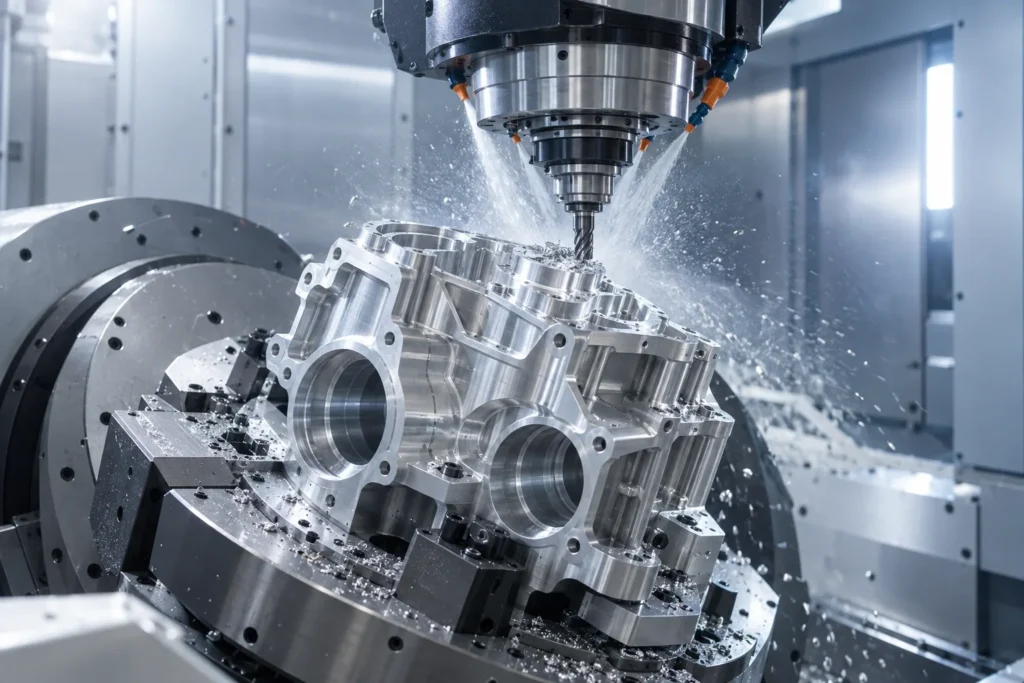
Avoid extremely thin unsupported fins and tiny burr-sensitive holes. Provide tool access to channels and define flatness after any brazing or thermal cycle. Mark electrical contact surfaces and prohibited coatings.
Geometry-specific decisions include stock allowance, support, cutter reach, burr control, thermal management and the point at which critical dimensions are verified. Share expected quantity and finishing requirements with the drawing.
Material selection guidance
Choose T2 when conductivity drives the design. Compare brass H59 where strength, appearance and machinability balance is more important than maximum conductivity, or aluminum where lower mass is critical.
If an alternative is acceptable, state the performance priorities instead of naming an uncontrolled substitute. Any alternative remains subject to customer approval.
Material and part gallery
Need parts machined from Pure Copper?
Send the drawing, material standard, condition and quantity. AYBERK will confirm availability and provide a manual quotation.
Request a Quote