

Material grade · Galvanized Steel
Galvanized Steel Sheet
Last updated October 12, 2026
Fabrication guidance for galvanized steel sheet, including coating designation, cut-edge protection, forming and joining.
Overview
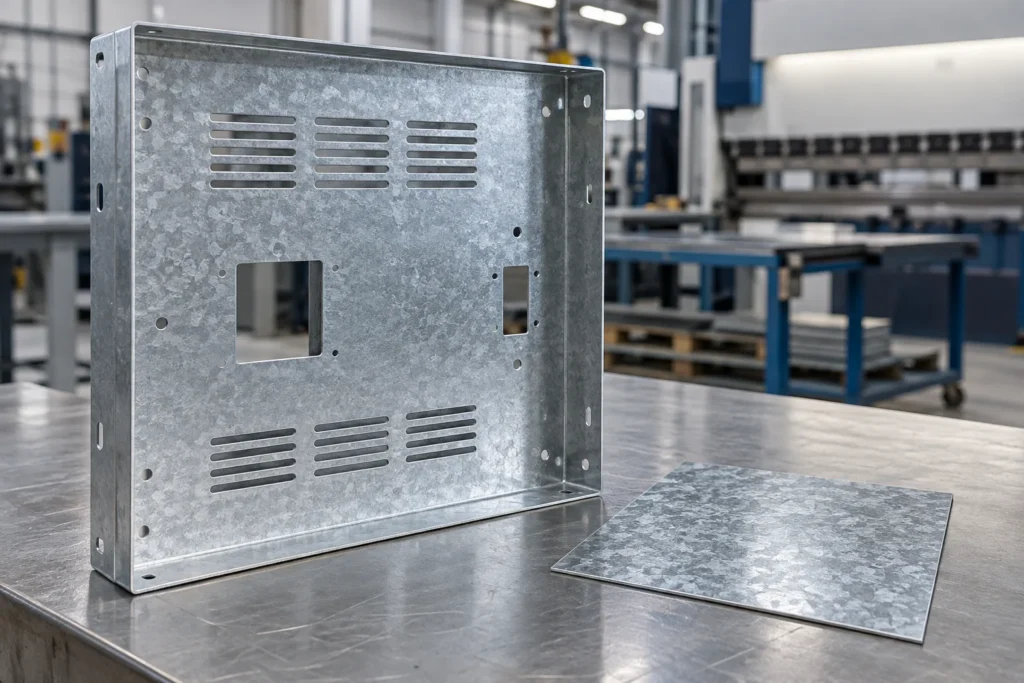
Galvanized steel sheet combines a steel substrate with a zinc-based coating that provides sacrificial corrosion protection. It is considered for ducts, panels, brackets, cabinets and equipment parts exposed to conditions where bare cold-rolled steel would rust too quickly.
Galvanized is not a complete specification. The substrate grade, coating process, coating mass designation, surface treatment and thickness all affect forming, welding, painting and corrosion life. Cut edges and damaged areas behave differently from intact coated surfaces.
Scope note: This article explains general material behavior. It is not a statement that every form, temper or grade is held in stock. AYBERK confirms sourcing, process capability and project requirements through manual RFQ review.
Material characteristics
Sacrificial zinc protection
Coating protects the steel substrate in suitable atmospheric service.
Fabrication-aware coating
Bends, cuts and welds can damage or consume the protective layer.
Specification critical
Coating designation and substrate must be named for meaningful comparison.
Technical properties
Use values only with the stated alloy condition, product form and source standard. Blank values are intentionally not inferred.
General properties
- DesignationASTM A653/A653M or EN 10346 as explicitly selected, including substrate and coating designation
- Zinc-coated steel sheet
- Reference condition / formConfirm on purchase specification and drawing
- Substrate grade, coating mass and surface treatment confirmed
Physical properties
- Reference densityTypical handbook or supplier-datasheet value; not an acceptance limit
- approximately 7.85 g/cm³ for design mass estimates, coating-dependent
- Physical-property interpretationUse the selected grade datasheet for design calculations
- Corrosion protection depends on coating mass, continuity, environment, cut edges and subsequent fabrication.
Mechanical properties
- Mechanical-property interpretationCondition, thickness and test method must be stated
- Formability and strength come primarily from the specified substrate grade; coating affects forming and joining behavior.
Chemical / composition data
- Composition controlASTM A653/A653M or EN 10346 as explicitly selected, including substrate and coating designation
- The product consists of a steel substrate and a zinc or zinc-alloy coating. Both substrate chemistry and coating designation are controlled by the selected standard.
Machinability and process notes
Cutting and punching should limit burrs and coating damage. Forming requires suitable radius and clean tooling. Welding needs fume controls and may require local coating removal and post-weld protection.
Specify coating side and cosmetic expectations, keep critical sealing areas controlled and identify post-cut or post-weld touch-up. Do not grind coating unnecessarily.
Final feeds, speeds, tooling, coolant, workholding and inspection are process decisions made from the drawing and the verified stock. General guidance here does not replace a project-specific manufacturing review.
Typical applications
Equipment cabinets
Formed panels requiring economical corrosion protection.
Ducts and covers
Sheet parts where coating continuity and cut edges are managed.
Mounting brackets
General supports with defined exposure and touch-up.
Surface finishing compatibility
As-galvanized
Define acceptable surface appearance and edge treatment.
Paint over galvanized
Requires compatible pretreatment and adhesion validation.
Post-fabrication touch-up
Use an approved zinc-rich or equivalent repair system where specified.
Advantages and limitations
Advantages
Economical corrosion protection, familiar sheet fabrication and broad use in equipment and building-related parts.
Limitations
Cut edges, scratches and weld zones reduce local protection; cosmetic spangle and coating appearance vary; harsh environments may need a different system.
Design considerations
State standard, substrate grade, coating designation, thickness, surface treatment and any paint system. Define how cut edges and welded areas will be protected.
Where properties are safety-critical, specify the governing standard, lot documentation and required test evidence. Dimensional and cosmetic requirements should be separated so they can be inspected at the correct production stage.
Material composition and specification
The product consists of a steel substrate and a zinc or zinc-alloy coating. Both substrate chemistry and coating designation are controlled by the selected standard.
Reference framework: ASTM A653/A653M or EN 10346 as explicitly selected, including substrate and coating designation The purchase document and material certificate govern; this overview is not a certificate of conformity.
CNC machining recommendations
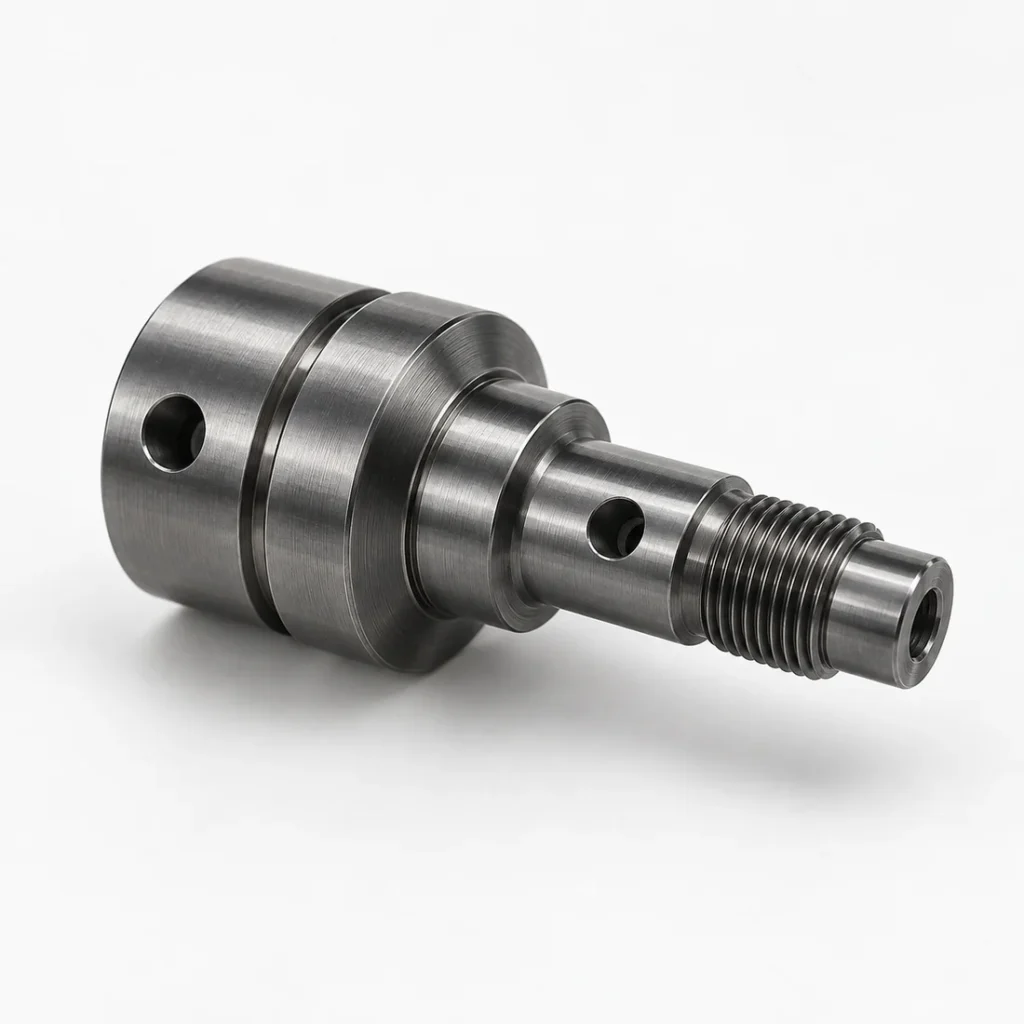
Specify coating side and cosmetic expectations, keep critical sealing areas controlled and identify post-cut or post-weld touch-up. Do not grind coating unnecessarily.
Geometry-specific decisions include stock allowance, support, cutter reach, burr control, thermal management and the point at which critical dimensions are verified. Share expected quantity and finishing requirements with the drawing.
Material selection guidance
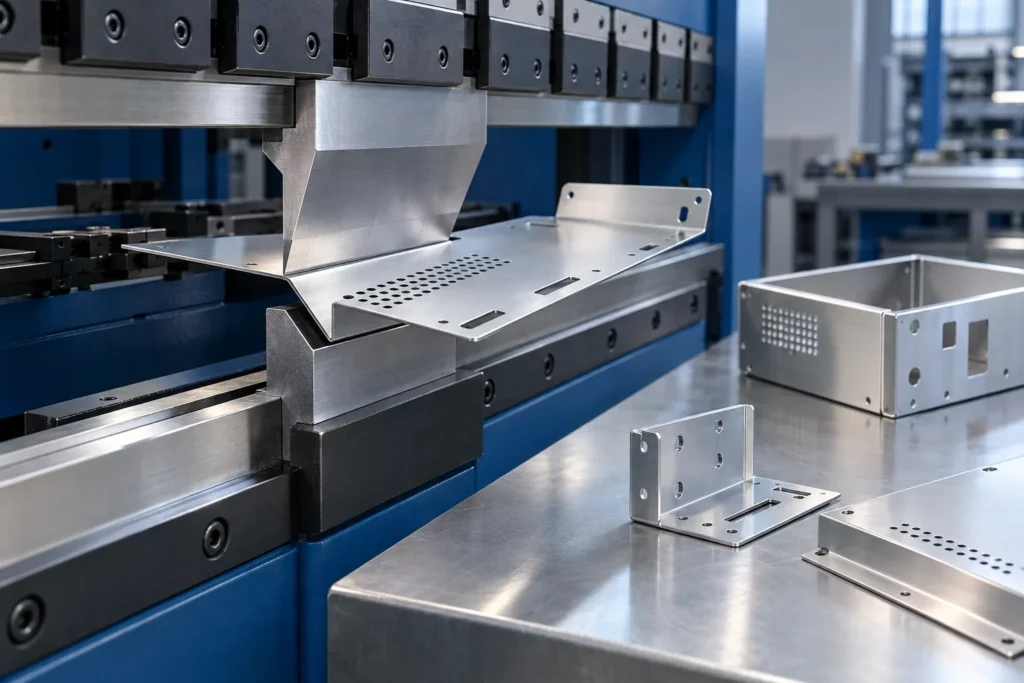
Choose galvanized sheet for cost-effective pre-coated protection in suitable environments. Compare powder-coated cold-rolled steel for cosmetic control and stainless for more durable uncoated corrosion resistance.
If an alternative is acceptable, state the performance priorities instead of naming an uncontrolled substitute. Any alternative remains subject to customer approval.
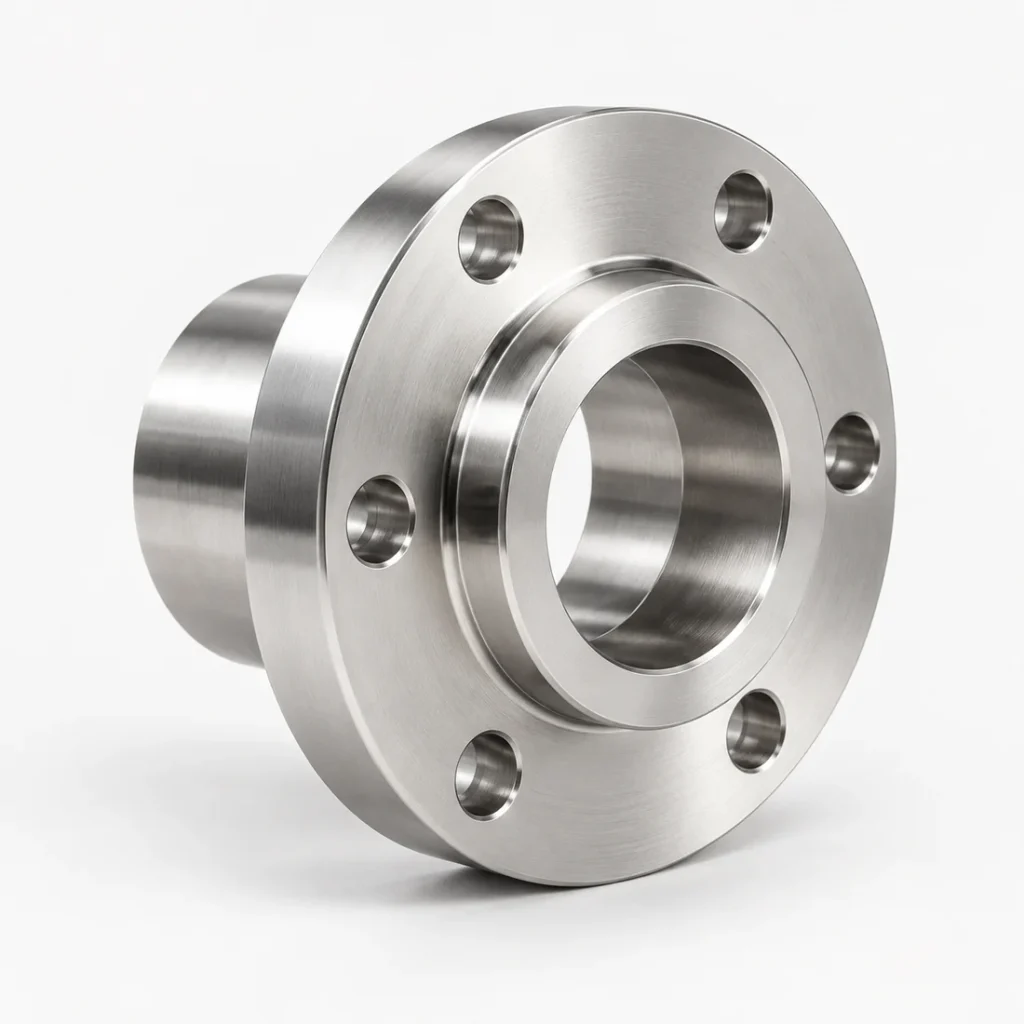
Material and part gallery
Discuss Galvanized Steel Sheet for your project
Send the drawing, material standard, condition and quantity. AYBERK will confirm availability and provide a manual quotation.
Request a Quote