

Hard-material capability
EDM can create features in conductive materials where conventional cutting is impractical.
Manufacturing capability
Controlled EDM processes for hardened materials, fine details and precision profiles.
Request a Quote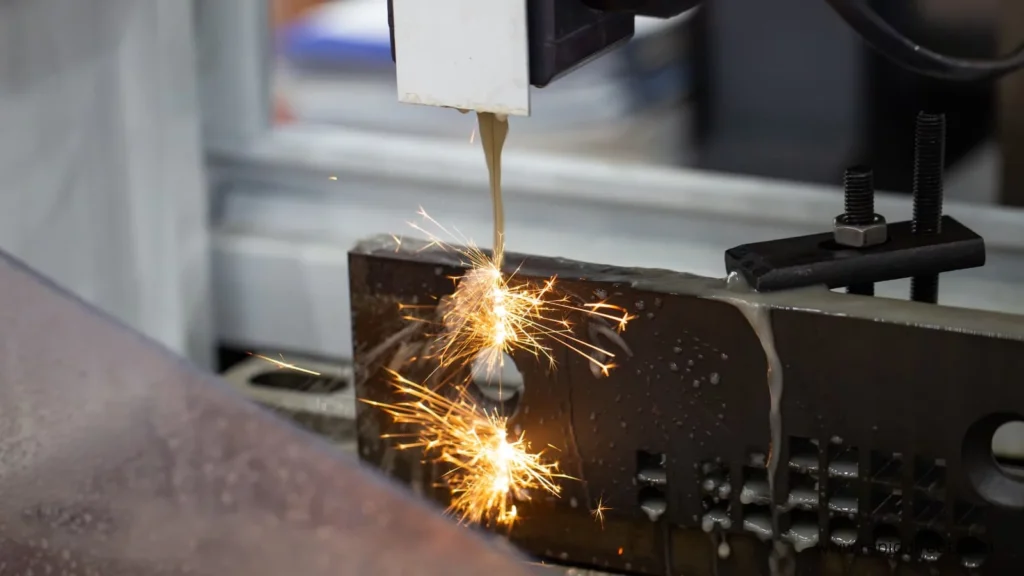
Process overview
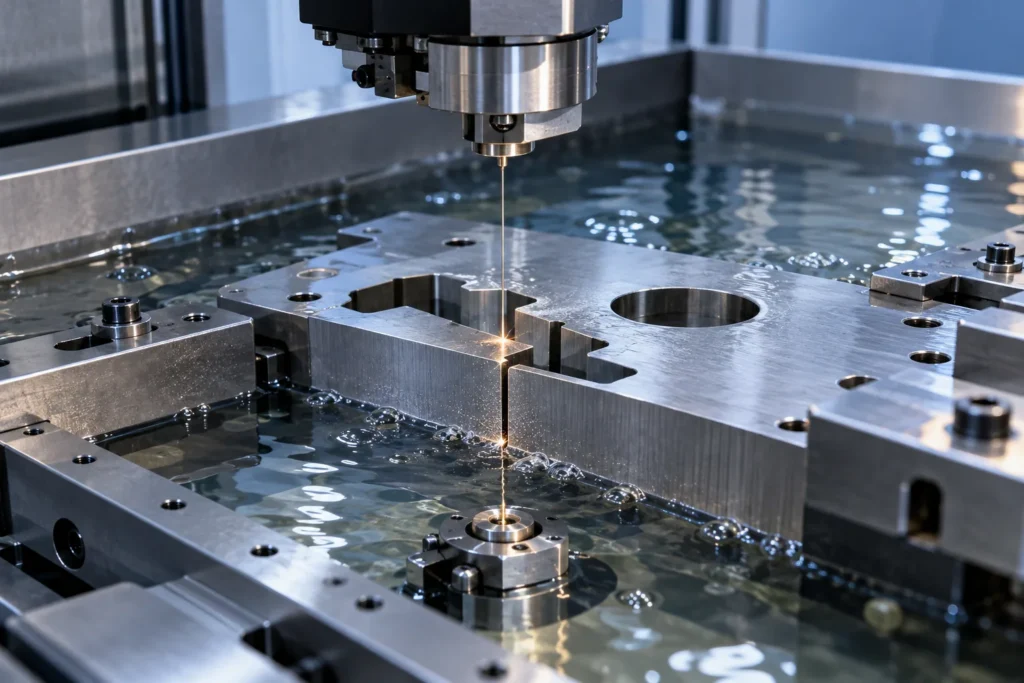
Electrical discharge machining removes electrically conductive material with controlled electrical discharges across a small dielectric gap. In wire EDM, a continuously fed wire electrode follows a programmed path through the workpiece, making the process suitable for detailed through-profiles, narrow slots, punch-and-die geometry and parts that are already hard. Sinker EDM uses a shaped electrode to create cavities where a through-cut wire path is not possible.
EDM applies very low mechanical cutting force, but that does not make every feature simple. The workpiece must conduct electricity; wire cutting needs a valid path and usually a start location; flushing and part support influence stability; corner geometry is affected by wire diameter and offset; and surface integrity may require additional passes. AYBERK reviews the requested geometry, material condition, heat treatment, datum scheme and inspection approach before confirming which EDM method is appropriate.
Key advantages
EDM can create features in conductive materials where conventional cutting is impractical.
Wire paths support detailed contours and controlled internal or external profiles.
Material is removed electrically rather than through conventional tool pressure.
Production methods
A continuously fed wire electrode follows a programmed contour through conductive stock.
Cavity and electrode requirements can be evaluated when the project calls for them.
Technical capabilities
Values are published only after AYBERK confirms the applicable process scope. Send your drawing for project-specific review.
Manufacturing workflow
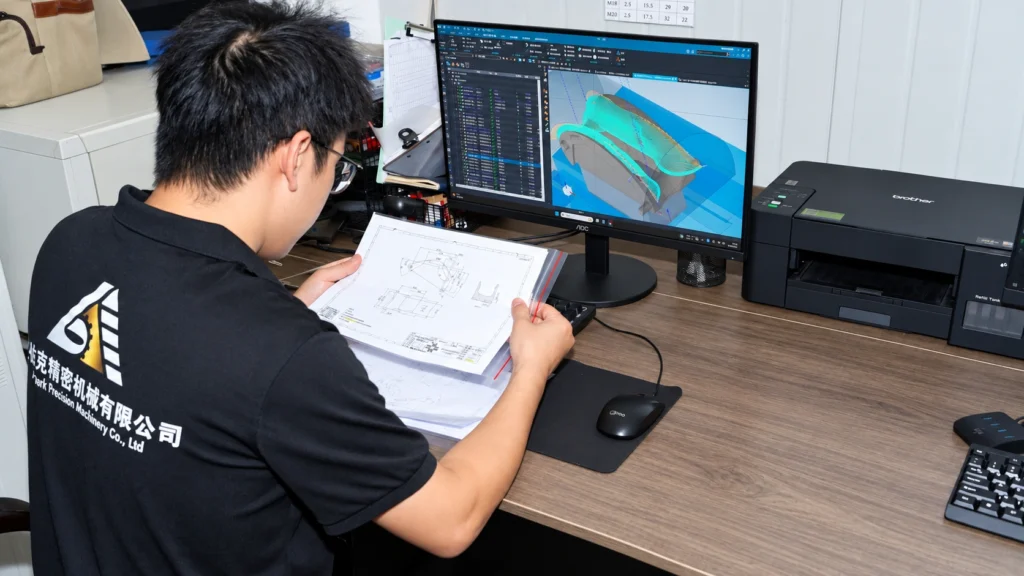
Drawing requirements, critical features and production intent are reviewed before setup.

Machining, in-process checks and documentation follow the agreed project requirements.
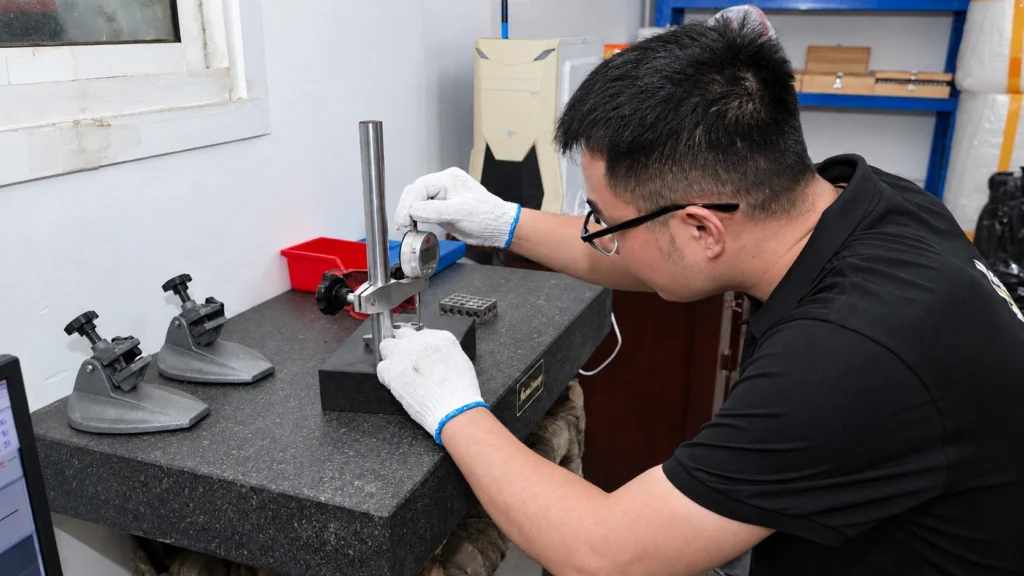
Finished parts are checked against the drawing before release and export packing.
Related capability
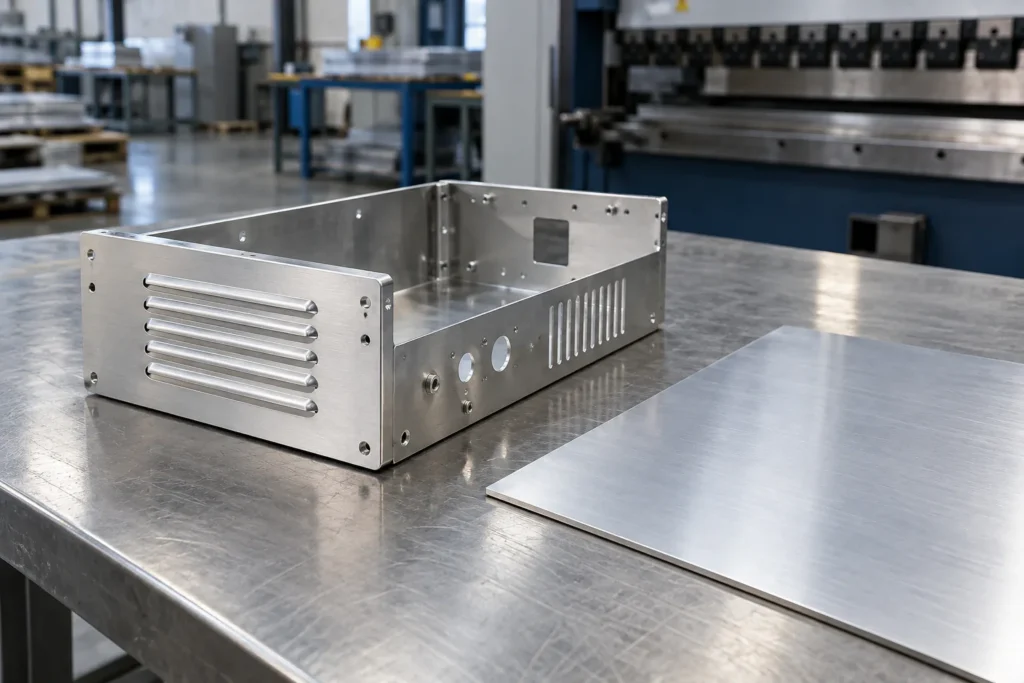
A corrosion-resistant aluminum grade frequently selected for formed and machined components.
Explore details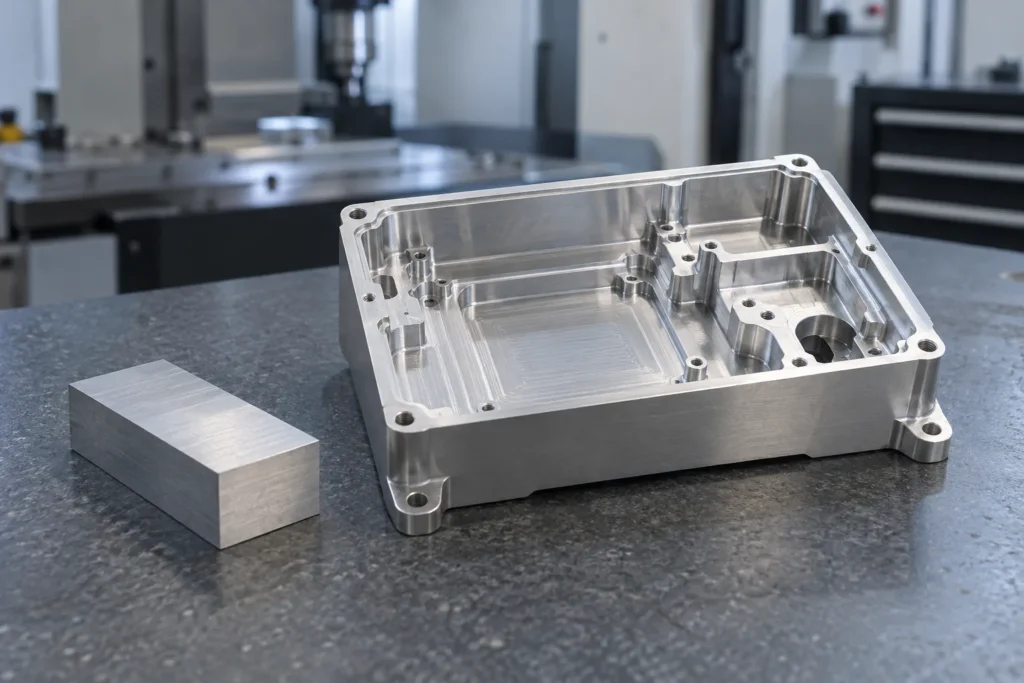
A versatile aluminum grade balancing machinability, strength and finishing options.
Explore details
A high-strength aluminum grade used where weight and mechanical performance are priorities.
Explore details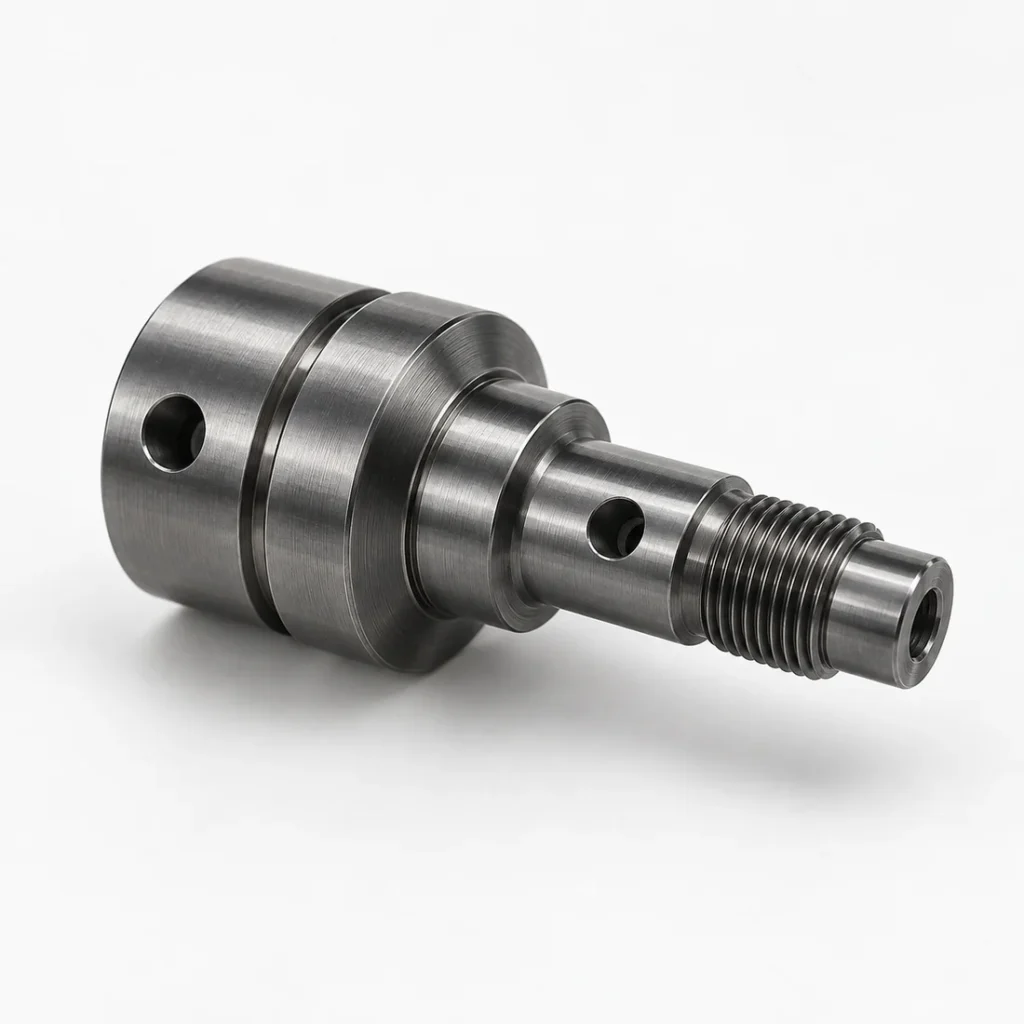
A broad family of strong, durable materials for shafts, tooling and industrial components.
Explore details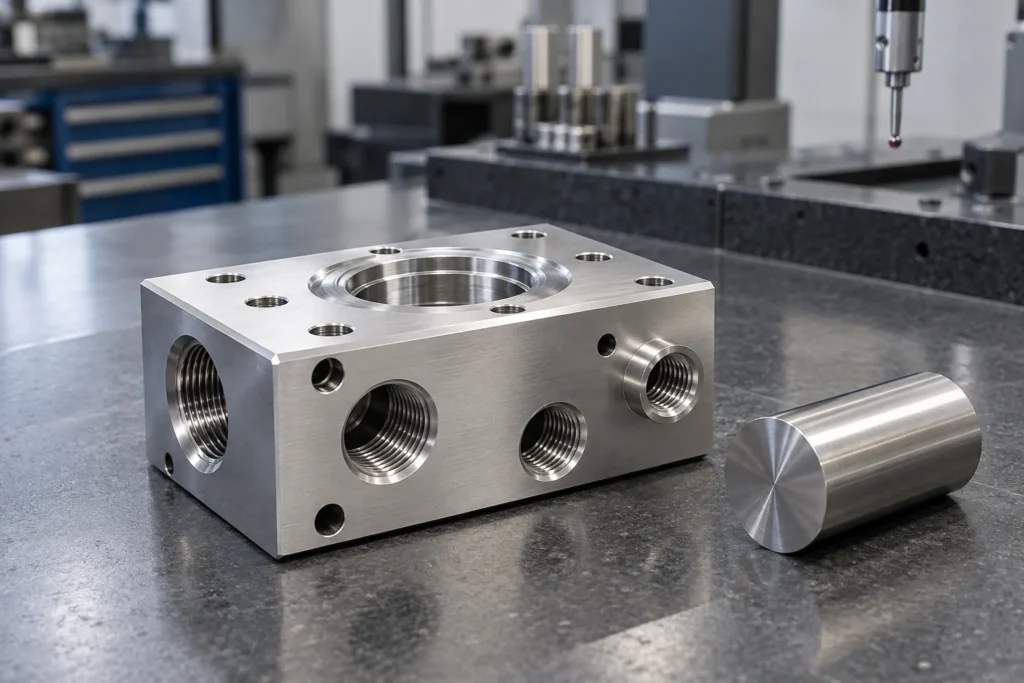
A widely used stainless grade offering corrosion resistance and practical fabrication characteristics.
Explore details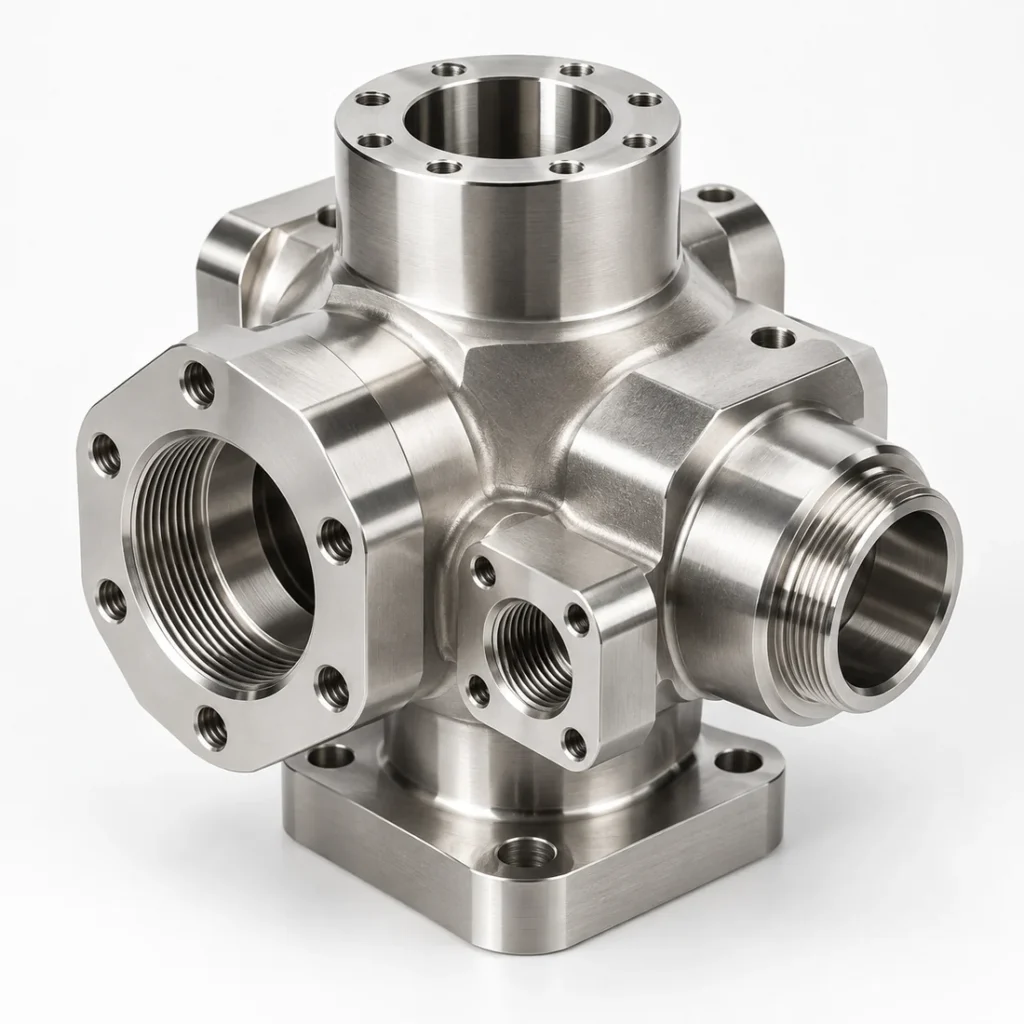
A corrosion-resistant stainless grade suited to demanding environments and fluid-handling components.
Explore details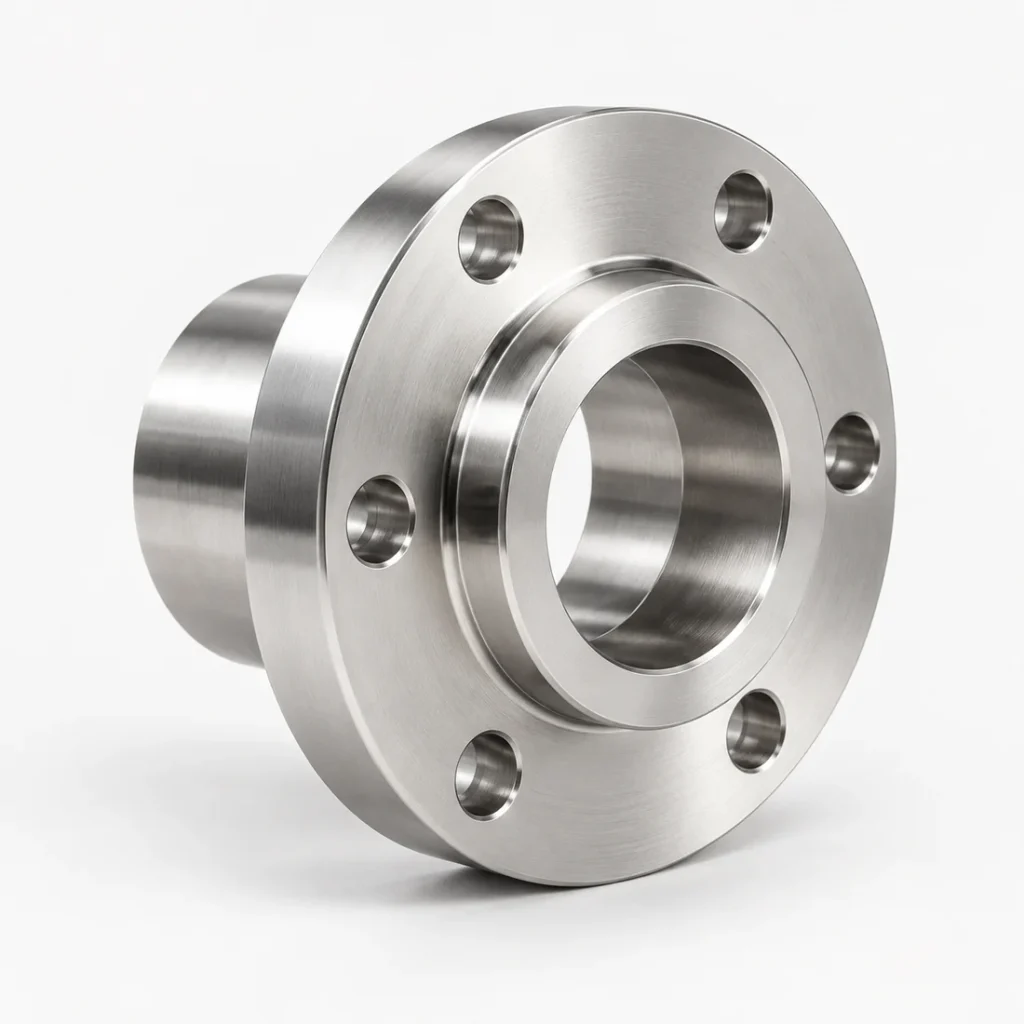
A precipitation-hardening stainless grade selected for strength and corrosion performance.
Explore details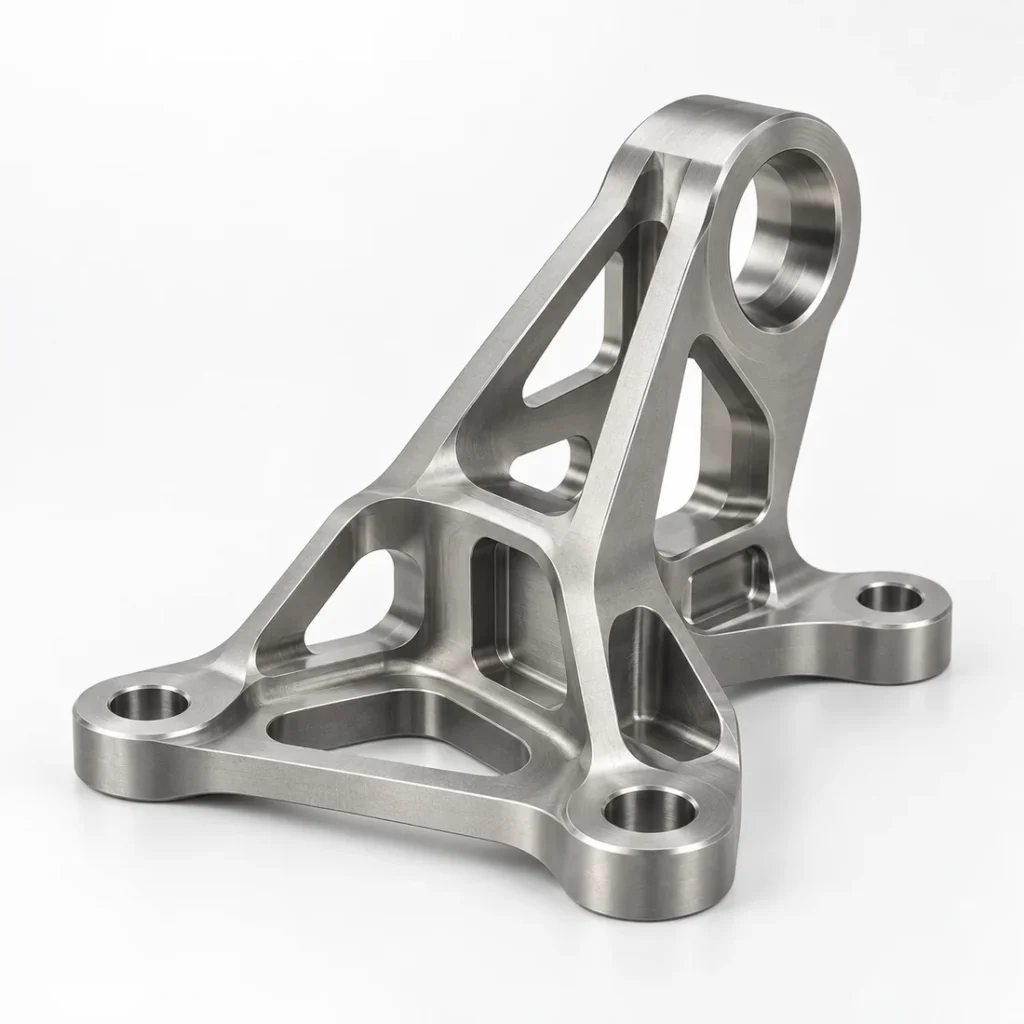
A titanium alloy used for lightweight, high-performance components in demanding applications.
Explore detailsApplications
Wire paths support detailed profiles and narrow features.
Material can be processed after heat treatment where the application requires it.
Inspection is aligned to critical geometry and datums.
Surface finishing
Surface condition depends on pass strategy and material. A visual grade alone should not replace a drawing requirement.
If a critical sealing or optical surface needs post-processing, leave suitable allowance and define the final acceptance method.
Post-EDM treatment must be compatible with the alloy and intended environment and should be stated during RFQ review.
Design guidance
Clearly mark datums, fit requirements and inspection priorities.
Expected quantities and repeat demand help guide process planning.
Finish selection can affect tolerances, masking and dimensional allowance.
Material conditions
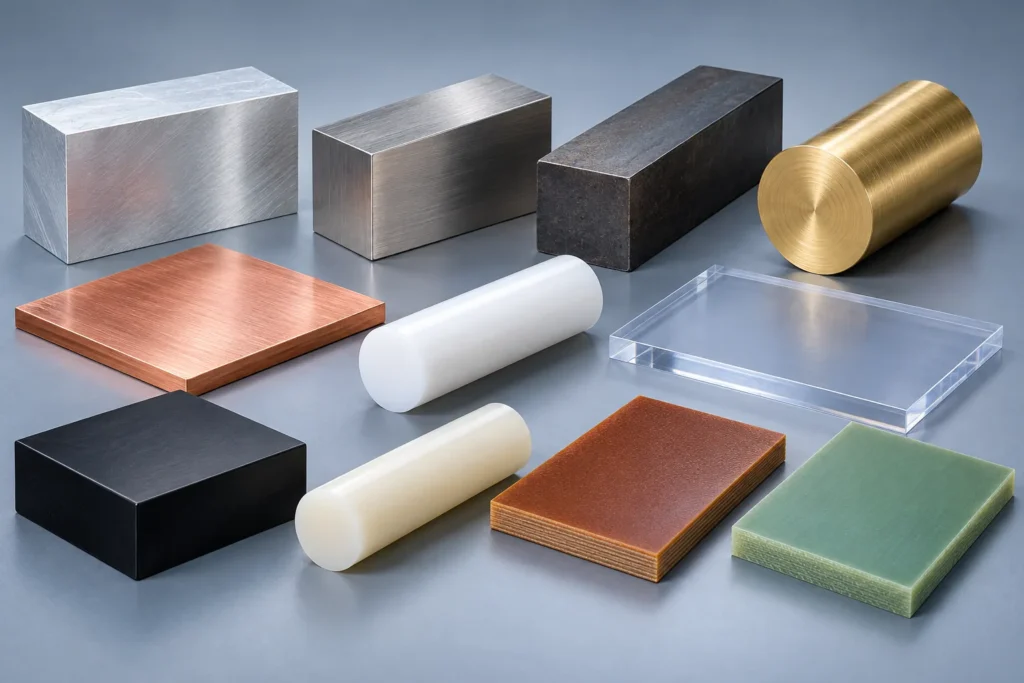
Tool steels, stainless steels, copper alloys and other conductive materials can be considered for EDM. Engineering plastics, ceramics and other nonconductive materials generally cannot be wire-cut unless a special conductive system is involved. Material condition still matters because heat treatment, residual stress and section changes can influence part stability.
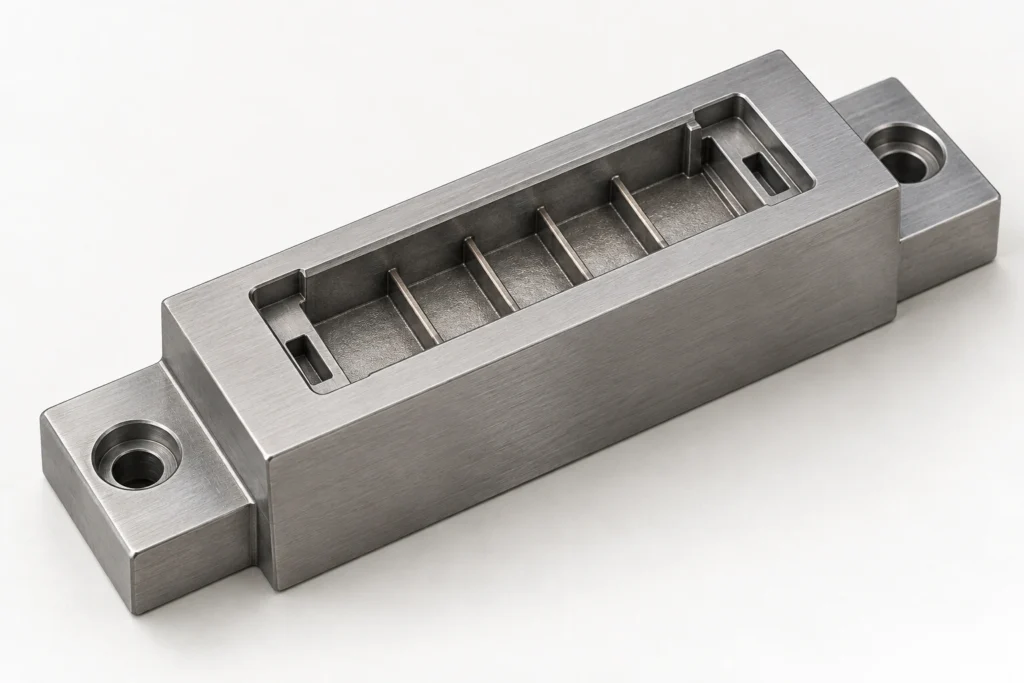
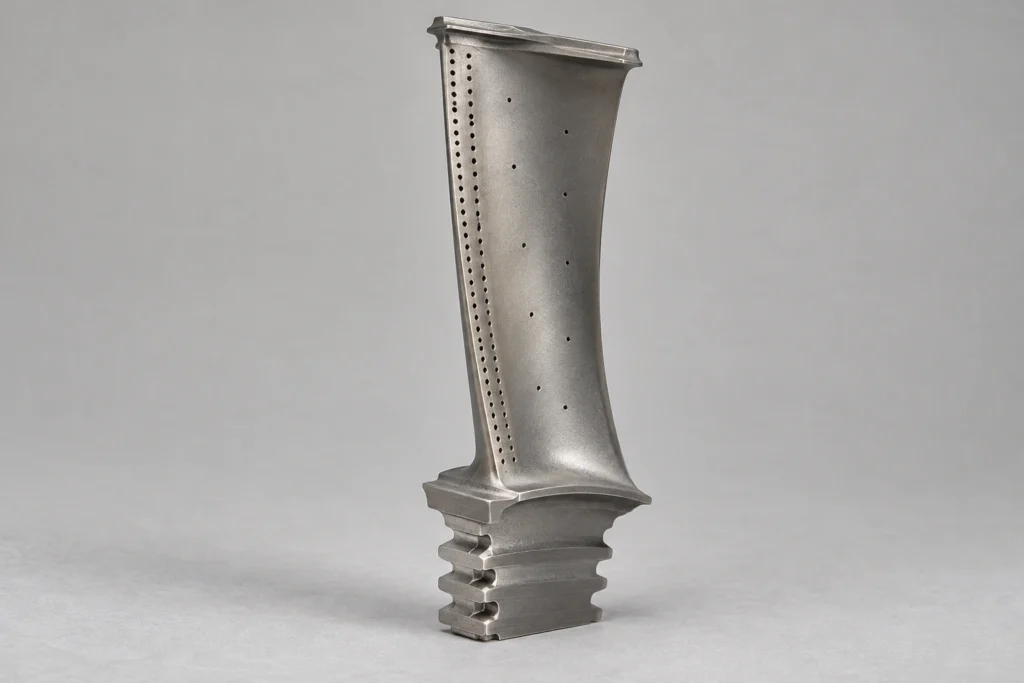
Material and heat-treatment claims are confirmed from the actual project documents, not inferred from an illustration.
Quality
An EDM profile may be accurate yet functionally wrong if it is referenced from the wrong surfaces. Inspection planning therefore identifies the part datum scheme, any taper or relief, mating features and the stage at which the check should occur. Required reports must be requested with the RFQ.

RFQ preparation
For wire EDM, provide the finished profile, material and hardness, stock thickness, start-hole locations, taper requirements and the datum relationship to previously machined features. Mark areas where a cut-out slug must remain attached or where a witness is unacceptable. If surface integrity, recast layer or fatigue behavior is important, state the governing requirement and inspection method. For blind features, identify whether sinker EDM is requested or whether another process may be proposed. AYBERK reviews these items before confirming feasibility and price.
Production strategy
EDM frequently sits inside a wider route rather than replacing every machining step. Reference faces and start holes may be created before heat treatment; critical profiles may be cut afterward; and final grinding or polishing may follow where the drawing requires it. The sequence protects datums and leaves practical material for clamping and slug retention. Any surface-integrity requirement must be linked to the final operation and inspection plan rather than assumed from the number of passes.
Gallery



Frequently asked questions
Provide 3D CAD, a controlled 2D drawing, material grade and condition, quantity, finishing, inspection and documentation requirements. Mark critical features and the current revision. AYBERK reviews the package manually before issuing a quotation.
Yes. Tolerance capability is feature-, material-, geometry- and process-specific. The team reviews the actual drawing and identifies questions or manufacturing risks before confirming the quotation; a general website value is not used as automatic approval.
No. AYBERK does not display automatically calculated prices. Submit the project files through the RFQ page for an engineering review and formal quotation.
Related capability
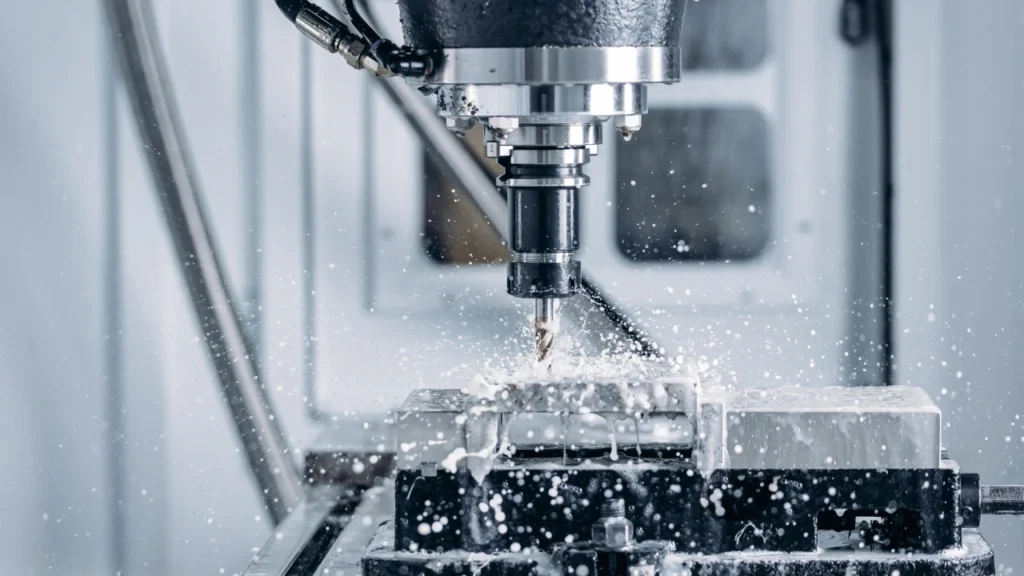
Custom CNC milling and turning for demanding metal and plastic components.
Explore details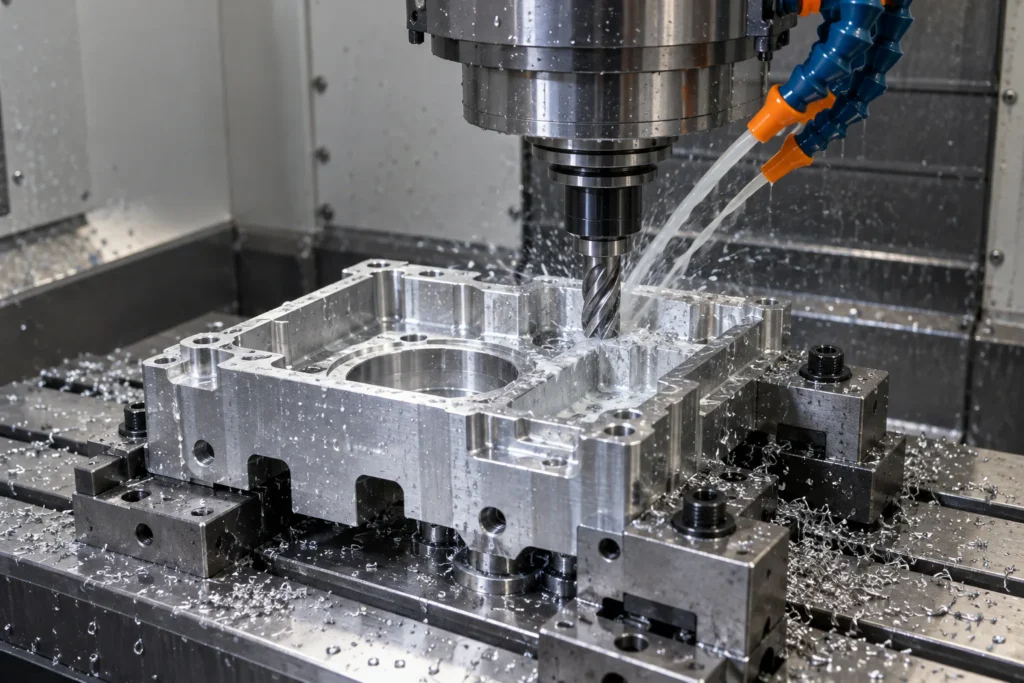
Precision milling for housings, brackets, plates and complex prismatic components.
Explore details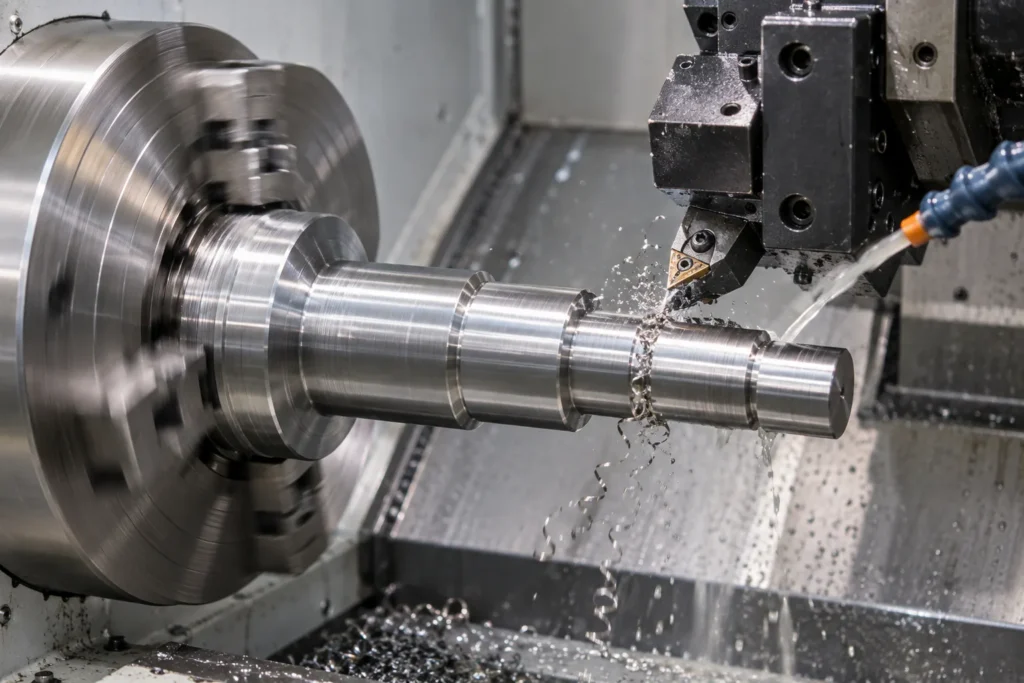
Precision turning for shafts, sleeves, bushings and rotational components.
Explore details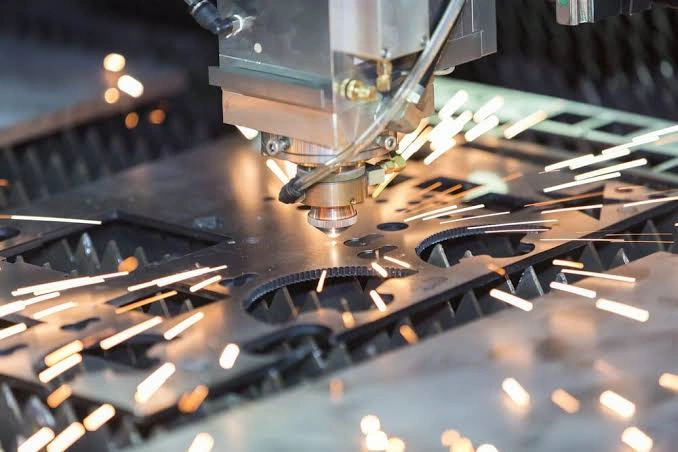
Prototype and production sheet metal parts with controlled forming and assembly.
Explore detailsEngineering review
Send the drawing, material requirement, quantity and inspection notes for a manual manufacturability and quotation review.