

Material grade · PMMA
PMMA (Acrylic)
Last updated October 12, 2026
CNC design guidance for PMMA acrylic parts requiring transparency, visual finish, low mass and controlled stress.
Overview
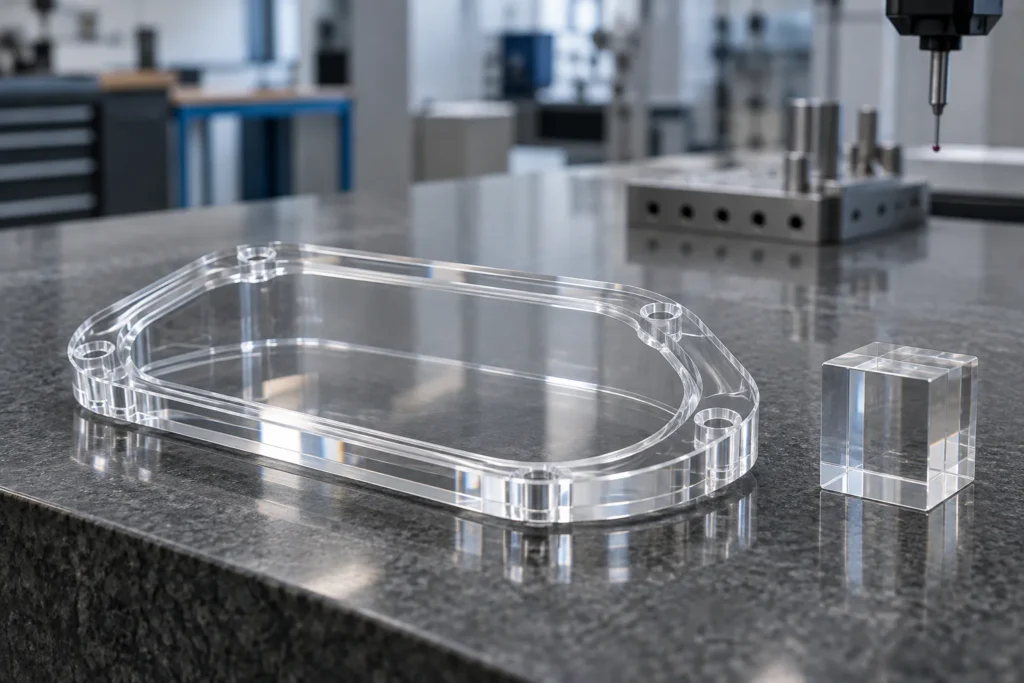
PMMA, commonly called acrylic, is a transparent thermoplastic valued for optical clarity, weathering performance and a hard glossy surface. It is considered for windows, light guides, display components and visual prototypes.
Cast and extruded acrylic machine differently and may contain different residual stress. PMMA is more brittle and notch-sensitive than polycarbonate, so workholding, drilling and assembly must avoid concentrated loads.
Scope note: This article explains general material behavior. It is not a statement that every form, temper or grade is held in stock. AYBERK confirms sourcing, process capability and project requirements through manual RFQ review.
Material characteristics
Optical clarity
Suitable for visual components when stock and finish standards are controlled.
Good weathering
Outdoor performance can be useful with the correct UV-rated grade.
Brittle notch behavior
Sharp corners, drilled edges and clamped holes require generous radii and clearance.
Technical properties
Use values only with the stated alloy condition, product form and source standard. Blank values are intentionally not inferred.
General properties
- DesignationSpecify cast or extruded stock, manufacturer grade and sheet/rod datasheet
- PMMA
- Reference condition / formConfirm on purchase specification and drawing
- Cast or extruded transparent/colored stock confirmed
Physical properties
- Reference densityTypical handbook or supplier-datasheet value; not an acceptance limit
- typically about 1.18 g/cm³, grade-dependent
- Physical-property interpretationUse the selected grade datasheet for design calculations
- High visible-light transmission is possible in optical grades; thermal expansion is much higher than glass or metal.
Mechanical properties
- Mechanical-property interpretationCondition, thickness and test method must be stated
- Strength and impact behavior depend on grade, temperature, stock process and notch condition.
Chemical / composition data
- Composition controlSpecify cast or extruded stock, manufacturer grade and sheet/rod datasheet
- PMMA is polymethyl methacrylate with grade-specific colorants, UV packages or impact modifiers.
Machinability and process notes
Use sharp polished tools, rigid support and low heat. Protective film helps reduce scratches. Drilling and edge finishing should avoid microcracks that can grow during assembly or solvent exposure.
Use large internal radii, generous edge distance and clearance holes with compliant washers. Define whether machined, polished or optical-quality edges are required.
Final feeds, speeds, tooling, coolant, workholding and inspection are process decisions made from the drawing and the verified stock. General guidance here does not replace a project-specific manufacturing review.
Typical applications
Viewing windows
Transparent panels with controlled mounting and cleaning.
Light guides and displays
Optical components with defined edge and surface quality.
Visual prototypes
Clear models for flow, fit or assembly review.
Surface finishing compatibility
Mechanical polishing
Can improve edges with careful heat control.
Flame polishing
Project-specific; may introduce stress and is not suitable for every geometry.
As-machined
Use when optical polish is unnecessary and tooling marks are acceptable.
Advantages and limitations
Advantages
Excellent clarity, attractive surface, low mass and weathering performance in suitable grades.
Limitations
Brittleness, scratch sensitivity, solvent crazing and lower impact resistance than PC limit some protective uses.
Design considerations
State cast/extruded stock, color, transmission, surface and edge criteria. Avoid tapped holes under high sustained load and tight metal-like fits.
Where properties are safety-critical, specify the governing standard, lot documentation and required test evidence. Dimensional and cosmetic requirements should be separated so they can be inspected at the correct production stage.
Material composition and specification
PMMA is polymethyl methacrylate with grade-specific colorants, UV packages or impact modifiers.
Reference framework: Specify cast or extruded stock, manufacturer grade and sheet/rod datasheet The purchase document and material certificate govern; this overview is not a certificate of conformity.
CNC machining recommendations
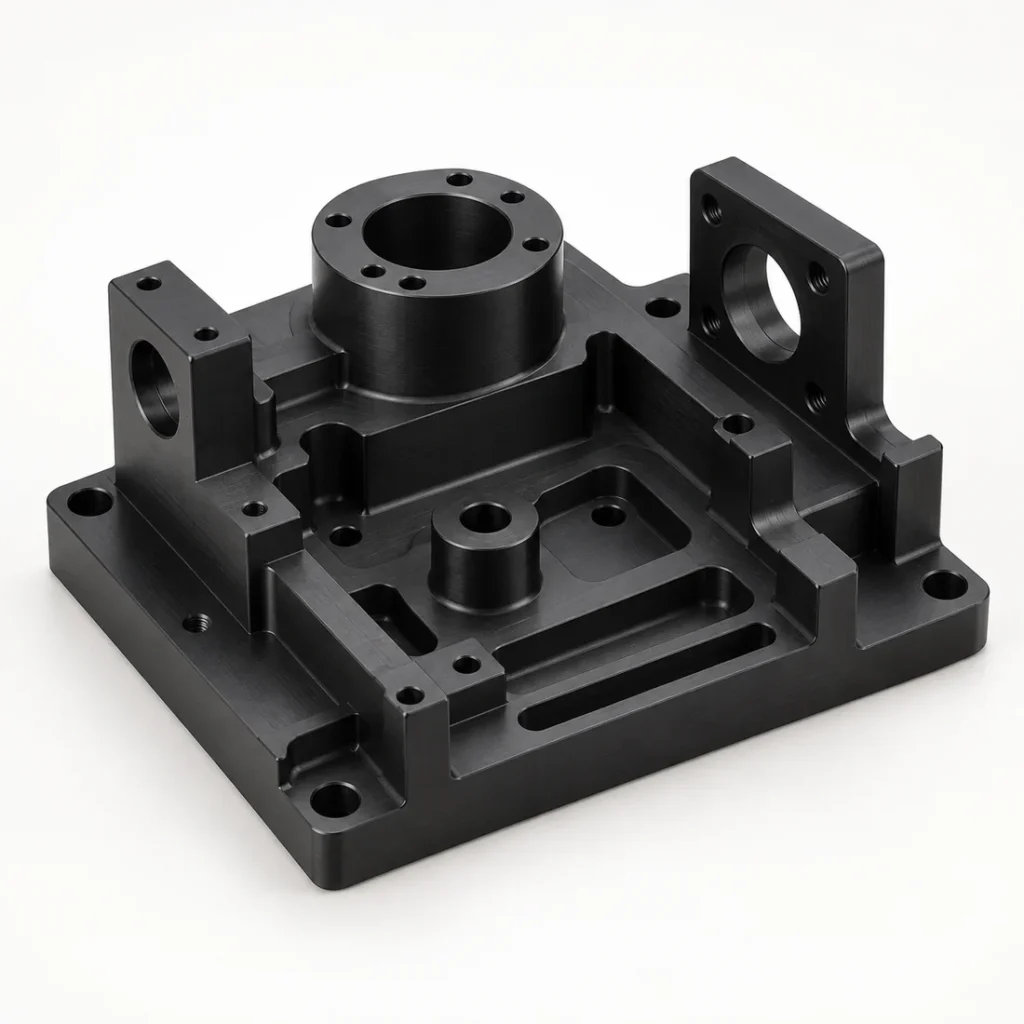
Use large internal radii, generous edge distance and clearance holes with compliant washers. Define whether machined, polished or optical-quality edges are required.
Geometry-specific decisions include stock allowance, support, cutter reach, burr control, thermal management and the point at which critical dimensions are verified. Share expected quantity and finishing requirements with the drawing.
Material selection guidance
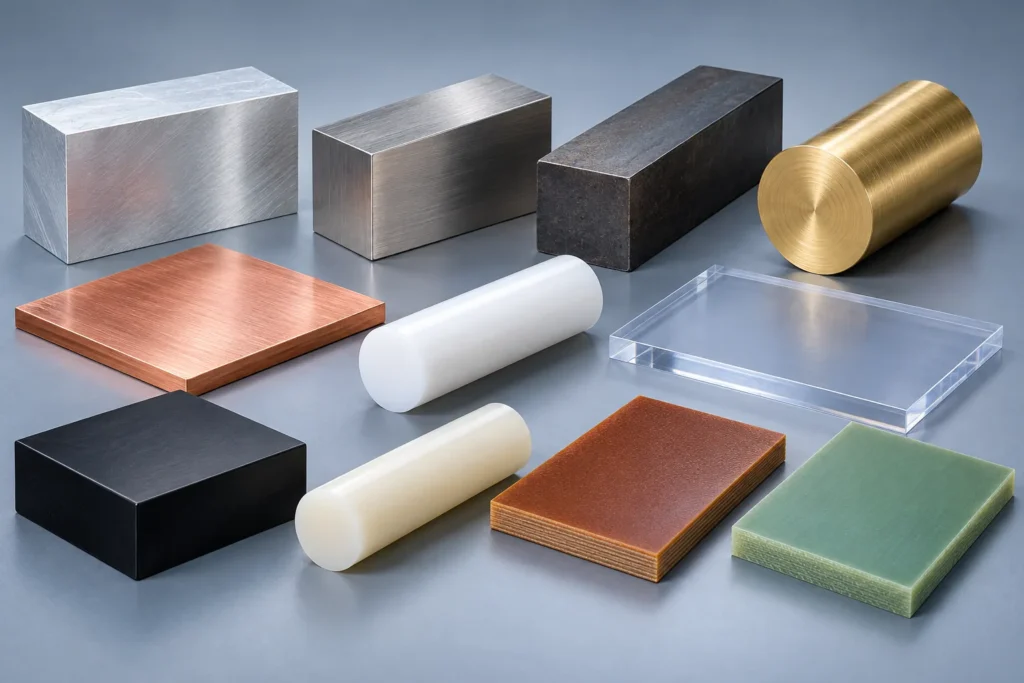
Choose PMMA when optical clarity and appearance dominate. Compare PC where impact resistance is more important and ABS for opaque economical housings.
If an alternative is acceptable, state the performance priorities instead of naming an uncontrolled substitute. Any alternative remains subject to customer approval.
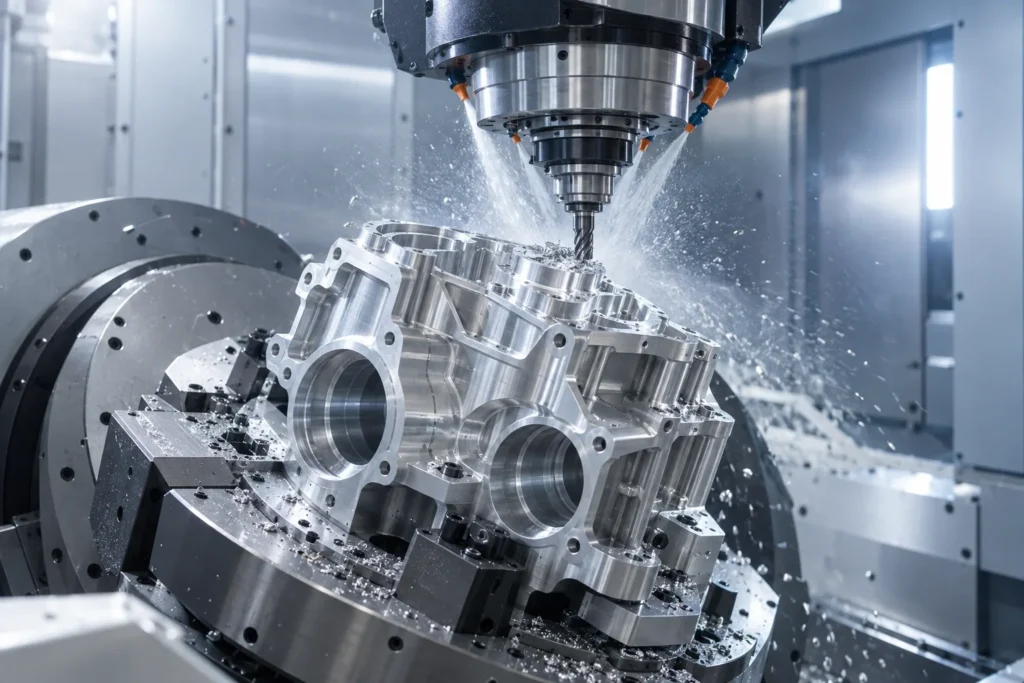
Material and part gallery
Discuss PMMA (Acrylic) for your project
Send the drawing, material standard, condition and quantity. AYBERK will confirm availability and provide a manual quotation.
Request a Quote