

Part consolidation
Cutting, bending and assembly can turn flat stock into functional enclosures and structures.
Manufacturing capability
Prototype and production sheet metal parts with controlled forming and assembly.
Request a Quote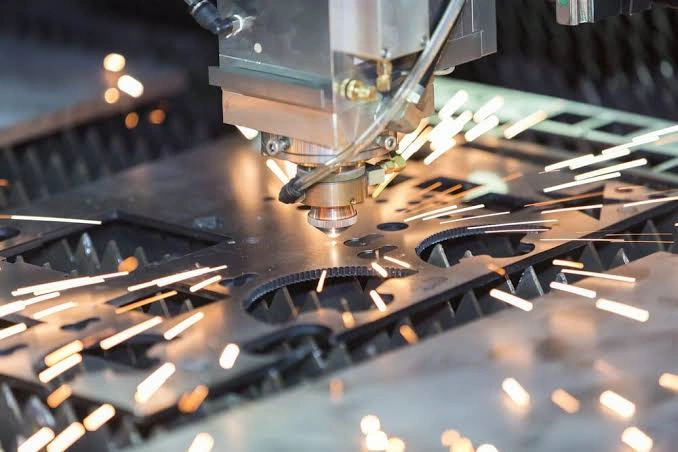
Process overview
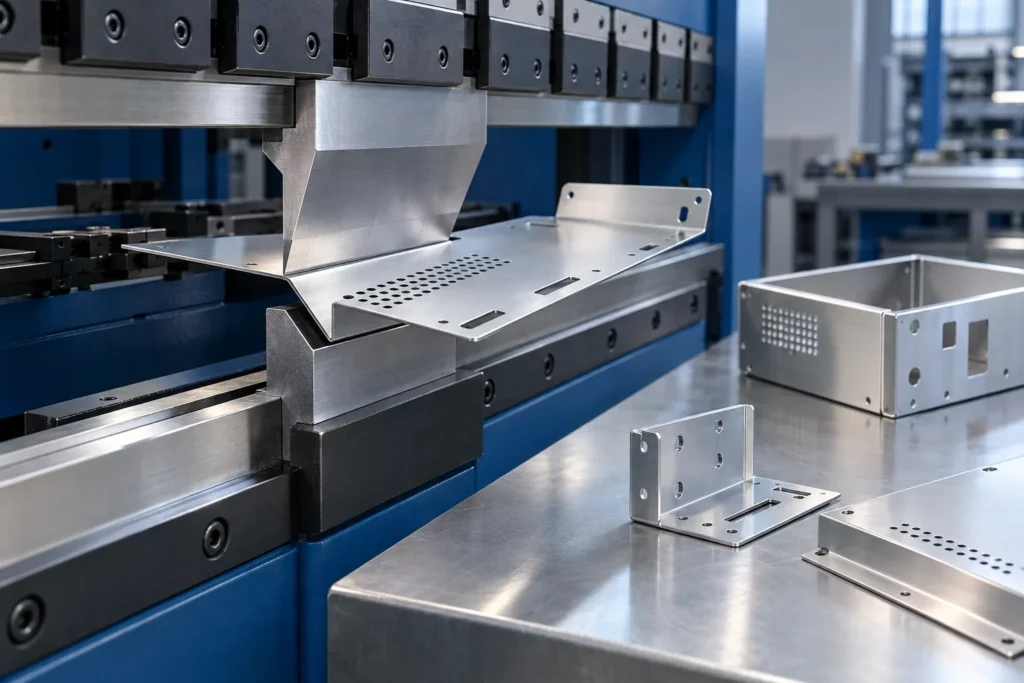
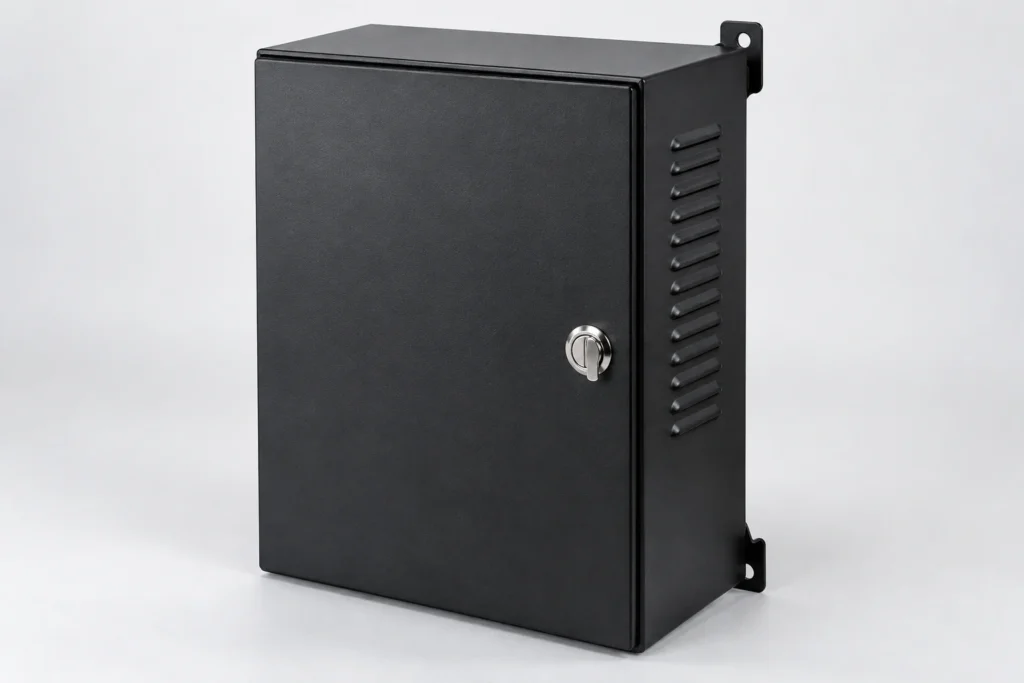
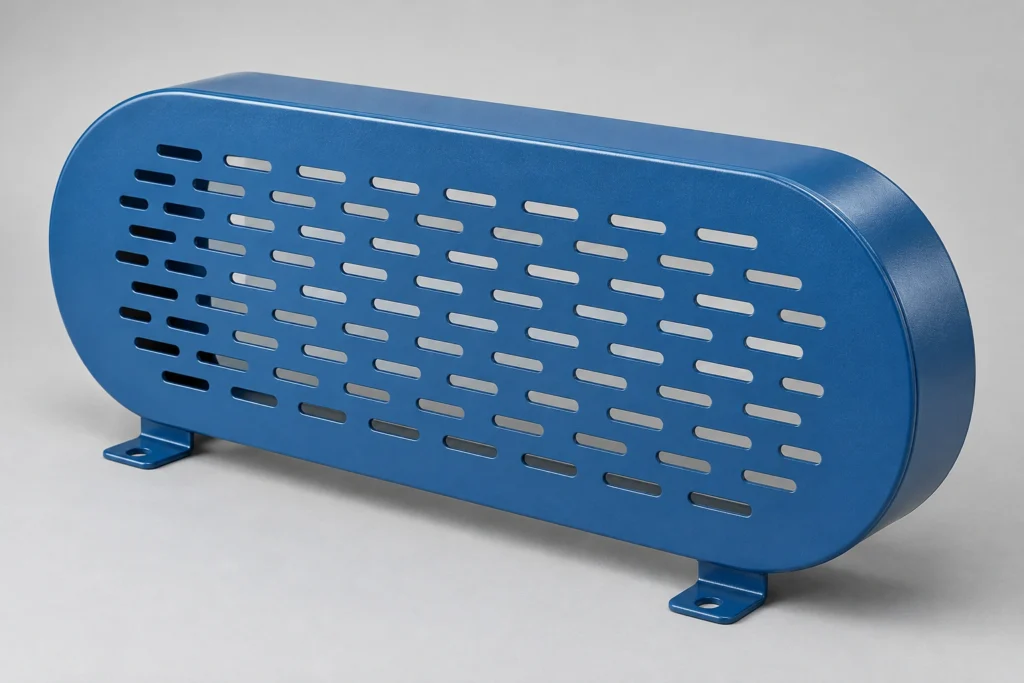
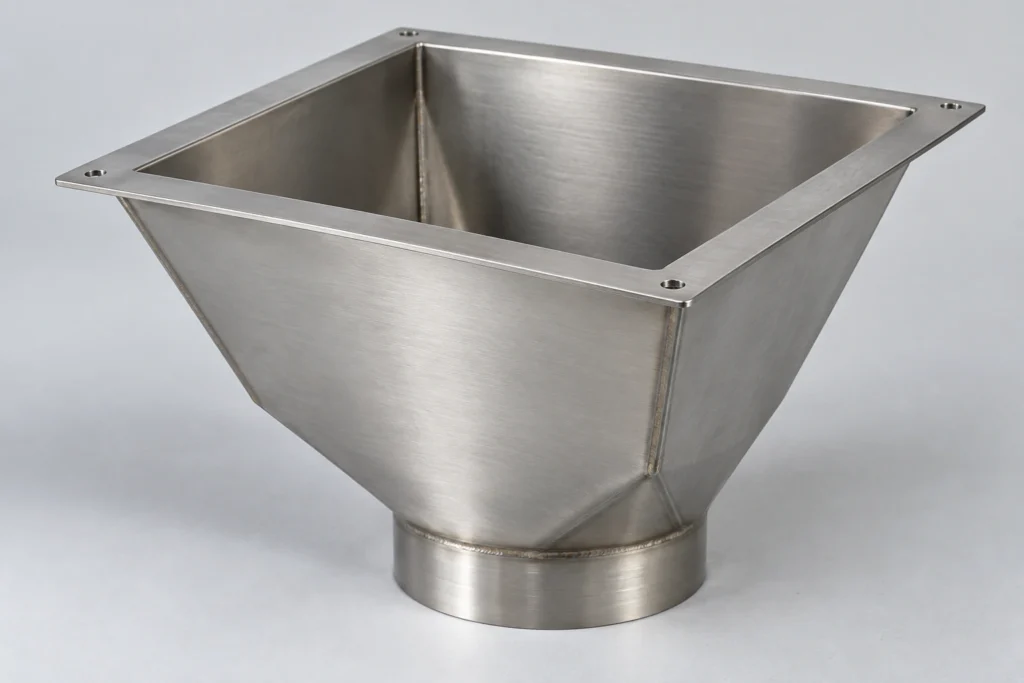
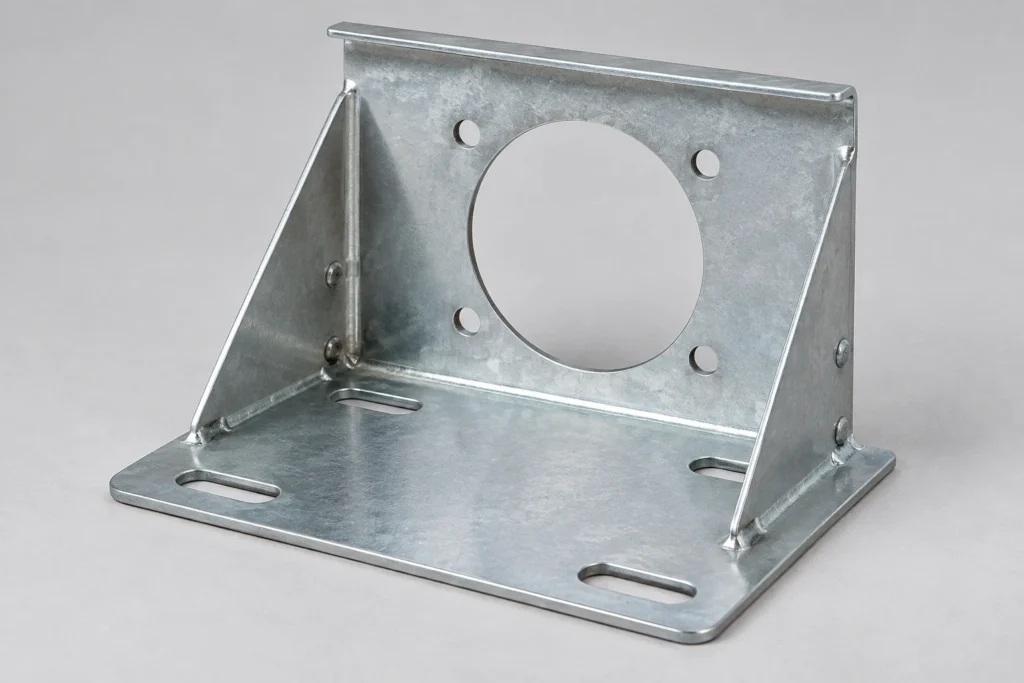
Sheet metal fabrication transforms flat stock into functional components through a coordinated sequence of cutting, punching, bending, hardware insertion, joining and finishing. It is commonly used for brackets, panels, guards, covers, chassis and enclosures where consistent thickness and formed geometry provide stiffness without machining a solid block.
The flat pattern is only one part of the engineering problem. Material grade and temper influence bend behavior; thickness and tooling define practical inside radii; hole and edge positions can move during forming; grain direction may matter; and welding or finishing can add heat, distortion or coating build. AYBERK reviews the released drawing, bend definitions, hardware, weld symbols, cosmetic expectations and assembly interfaces before confirming a route. Unverified machine limits, thickness ranges or lead times are intentionally not published as blanket promises.
Key advantages
Cutting, bending and assembly can turn flat stock into functional enclosures and structures.
Flat patterns and bend details can be reviewed before committing to repeat production.
Finish, hardware and assembly requirements can be coordinated in the production plan.
Production methods
The cutting route is selected around material, thickness, edge and feature requirements.
Bend access, inside radii, hardware and welding are reviewed against the design.
Technical capabilities
Values are published only after AYBERK confirms the applicable process scope. Send your drawing for project-specific review.
Manufacturing workflow
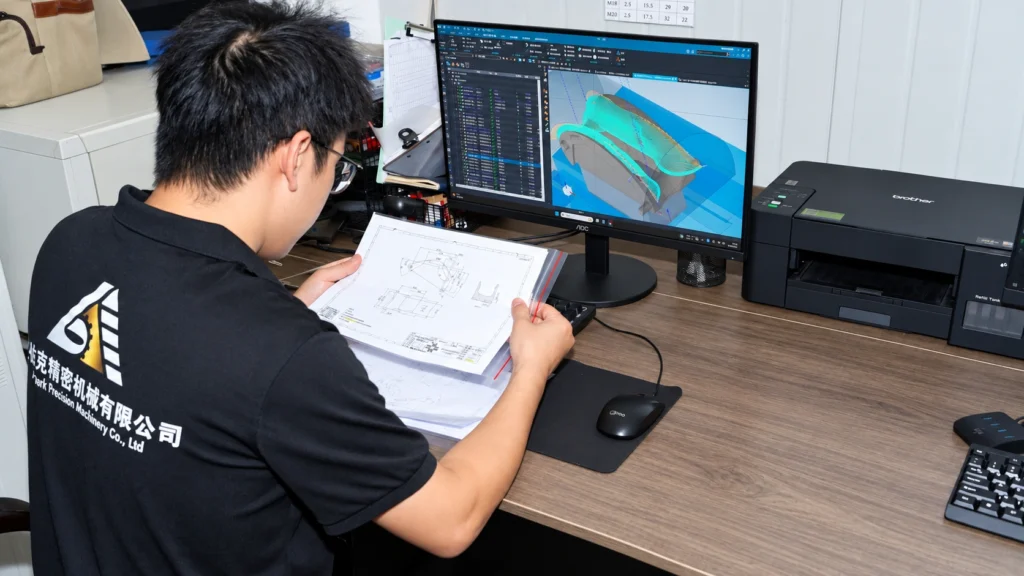
Drawing requirements, critical features and production intent are reviewed before setup.

Machining, in-process checks and documentation follow the agreed project requirements.
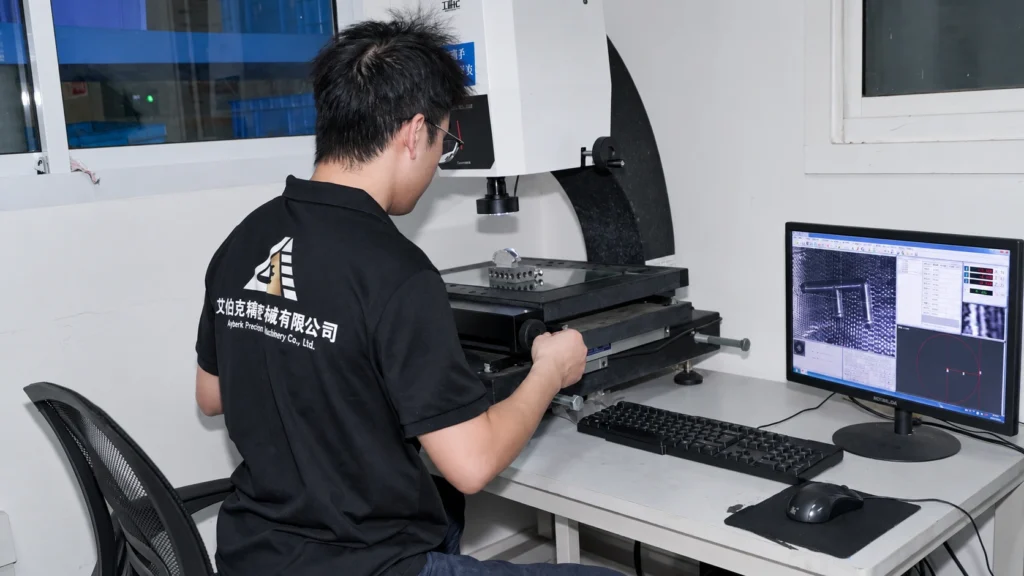
Finished parts are checked against the drawing before release and export packing.
Related capability
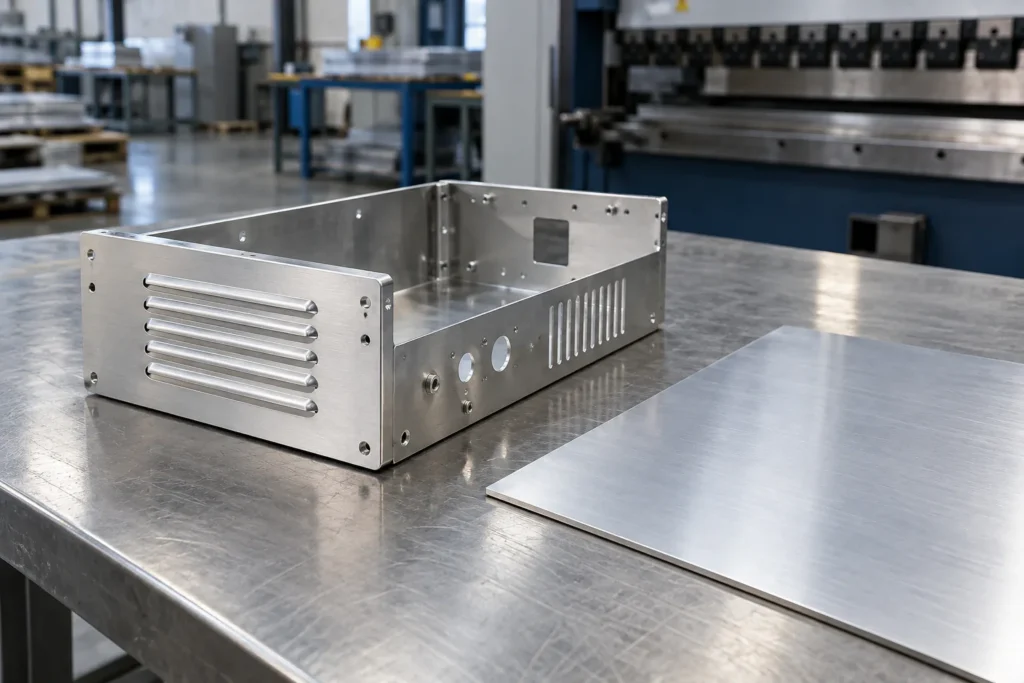
A corrosion-resistant aluminum grade frequently selected for formed and machined components.
Explore details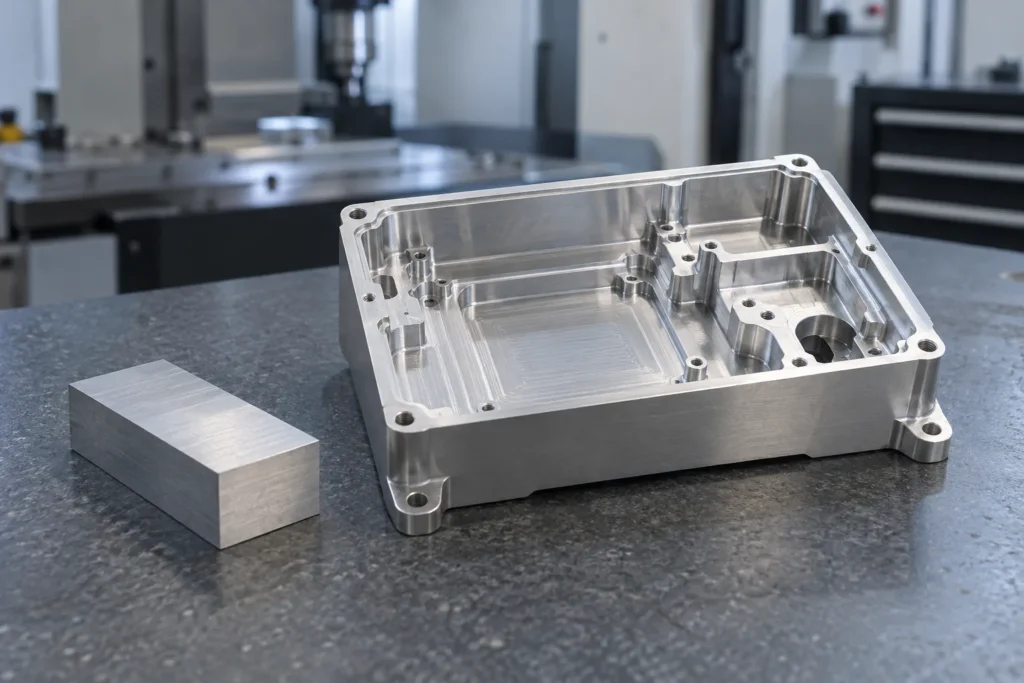
A versatile aluminum grade balancing machinability, strength and finishing options.
Explore details
A high-strength aluminum grade used where weight and mechanical performance are priorities.
Explore details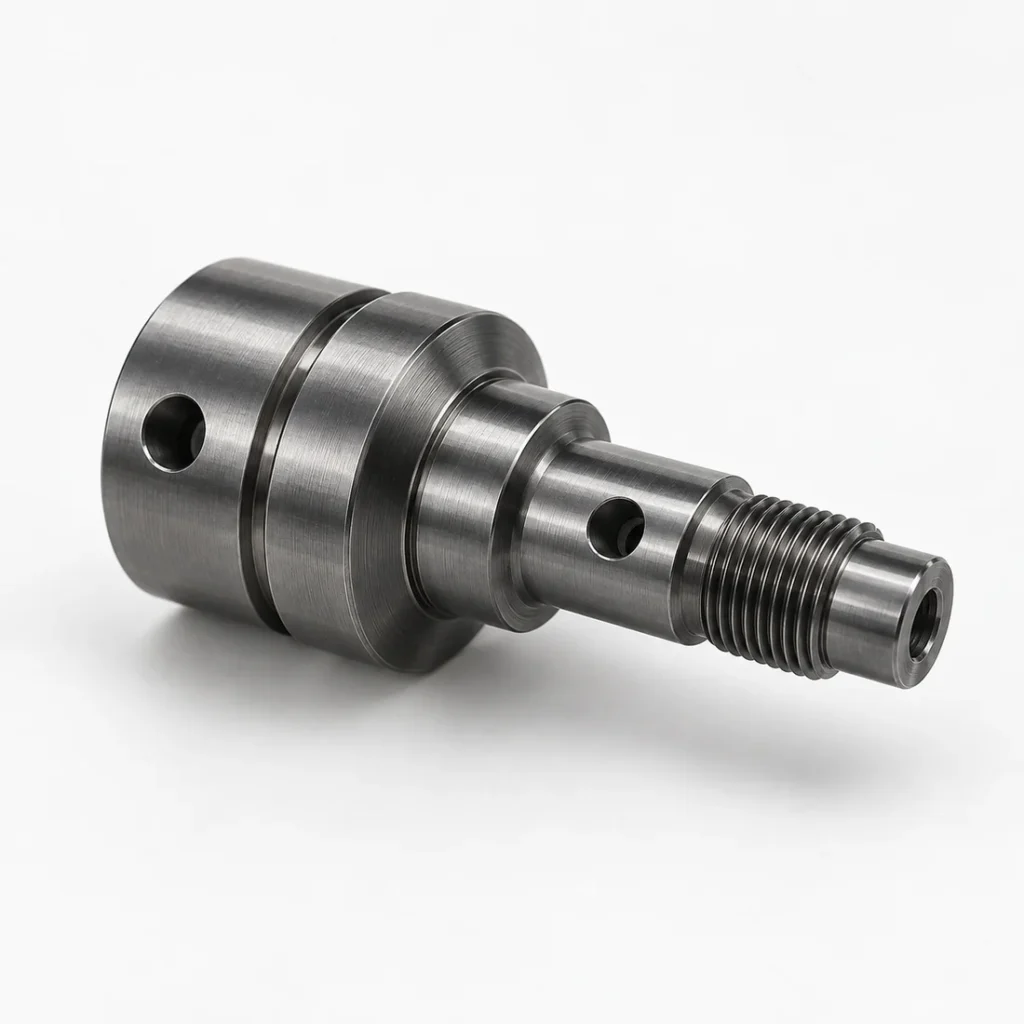
A broad family of strong, durable materials for shafts, tooling and industrial components.
Explore details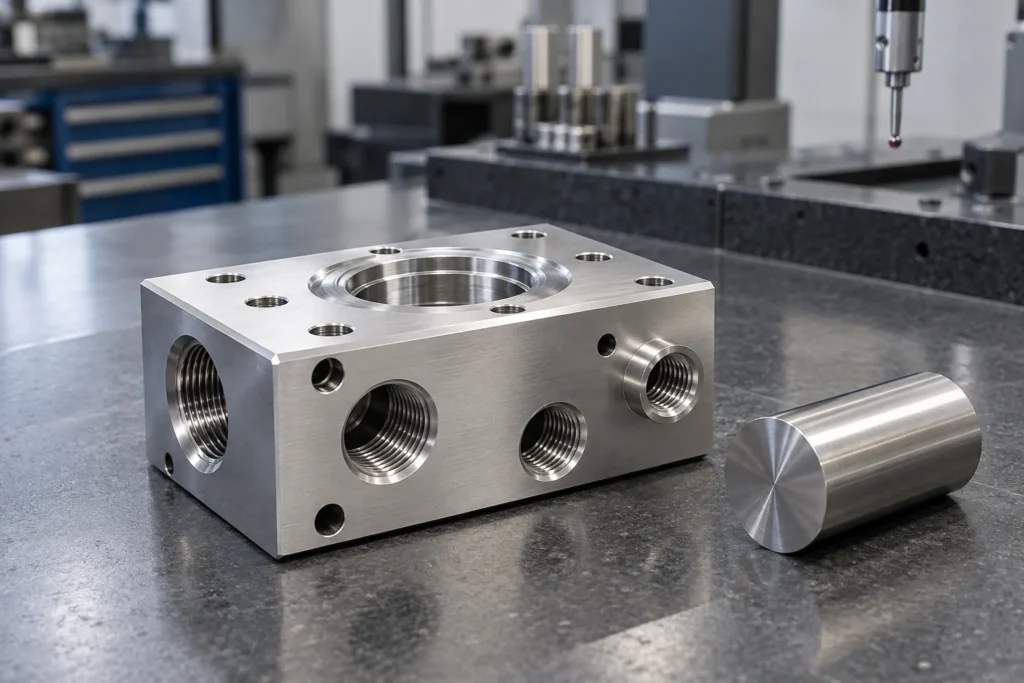
A widely used stainless grade offering corrosion resistance and practical fabrication characteristics.
Explore details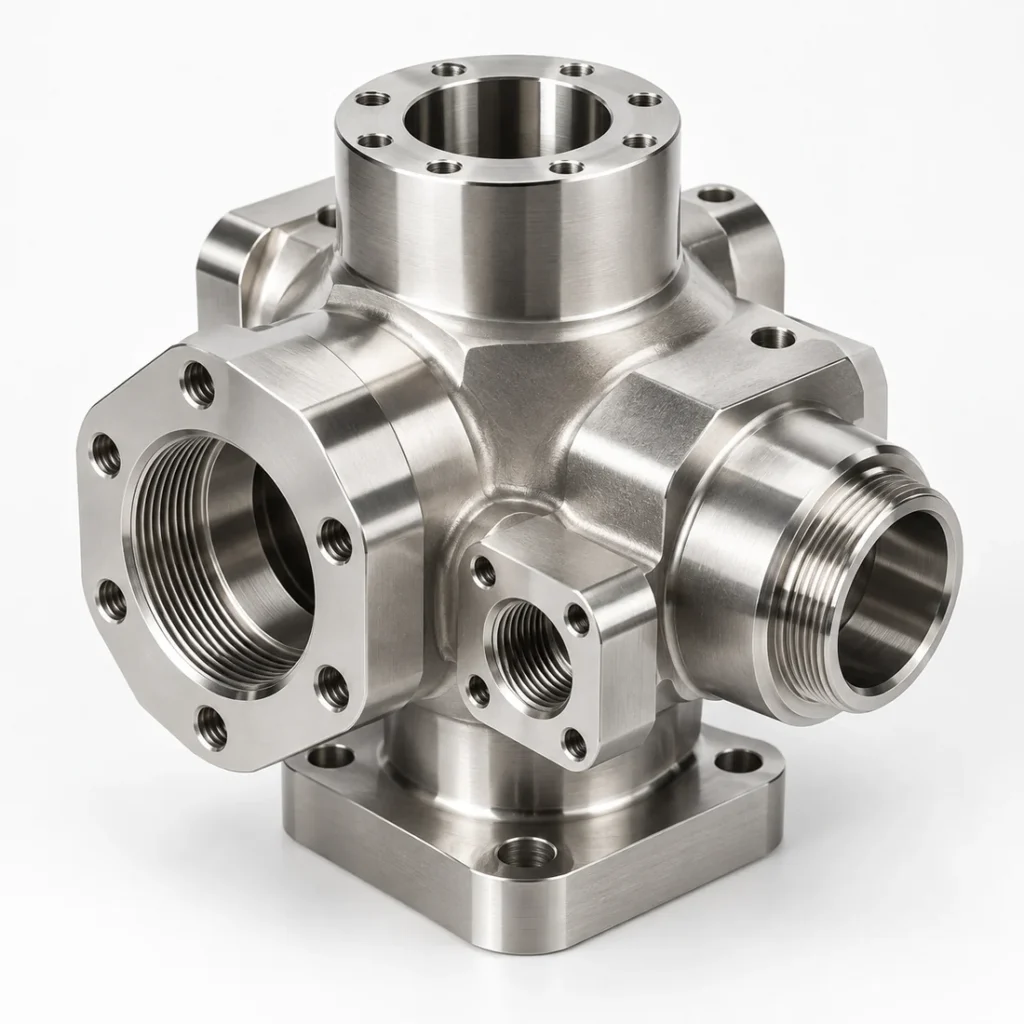
A corrosion-resistant stainless grade suited to demanding environments and fluid-handling components.
Explore details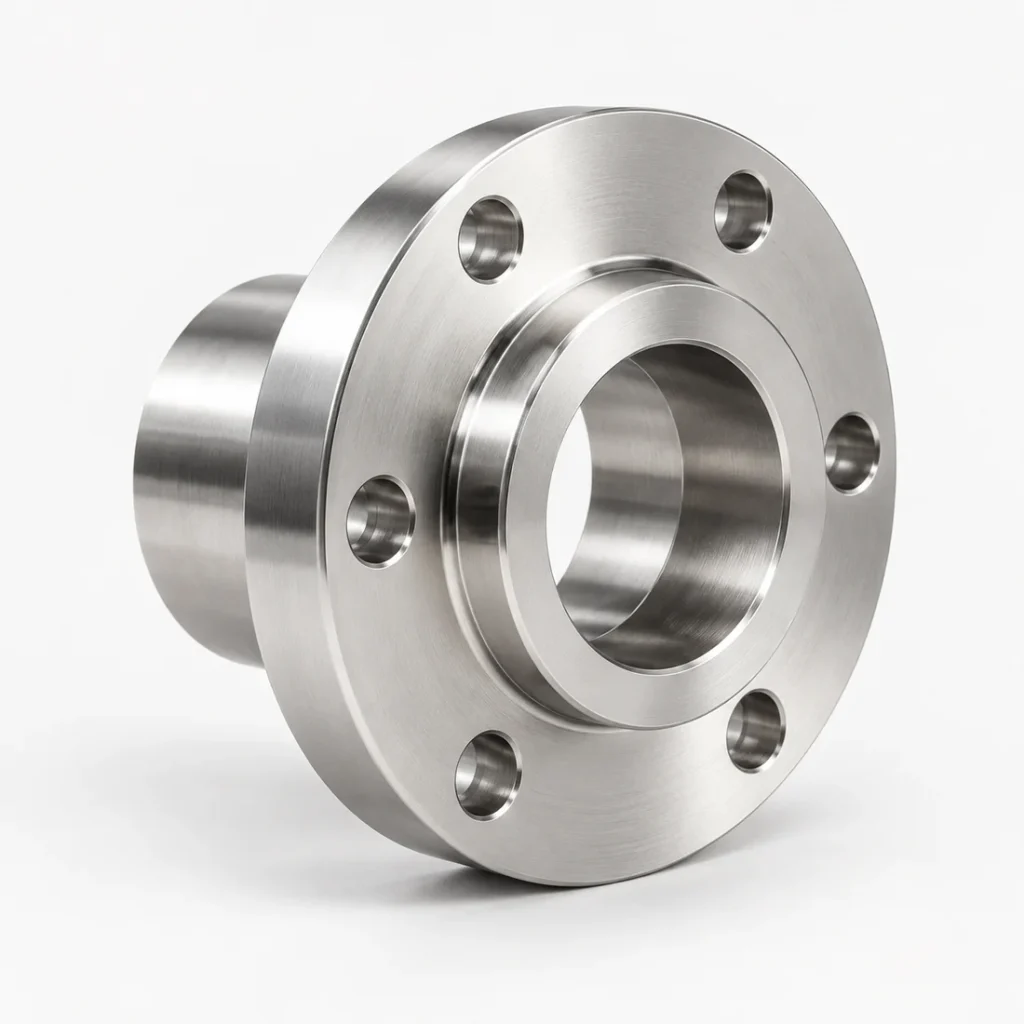
A precipitation-hardening stainless grade selected for strength and corrosion performance.
Explore details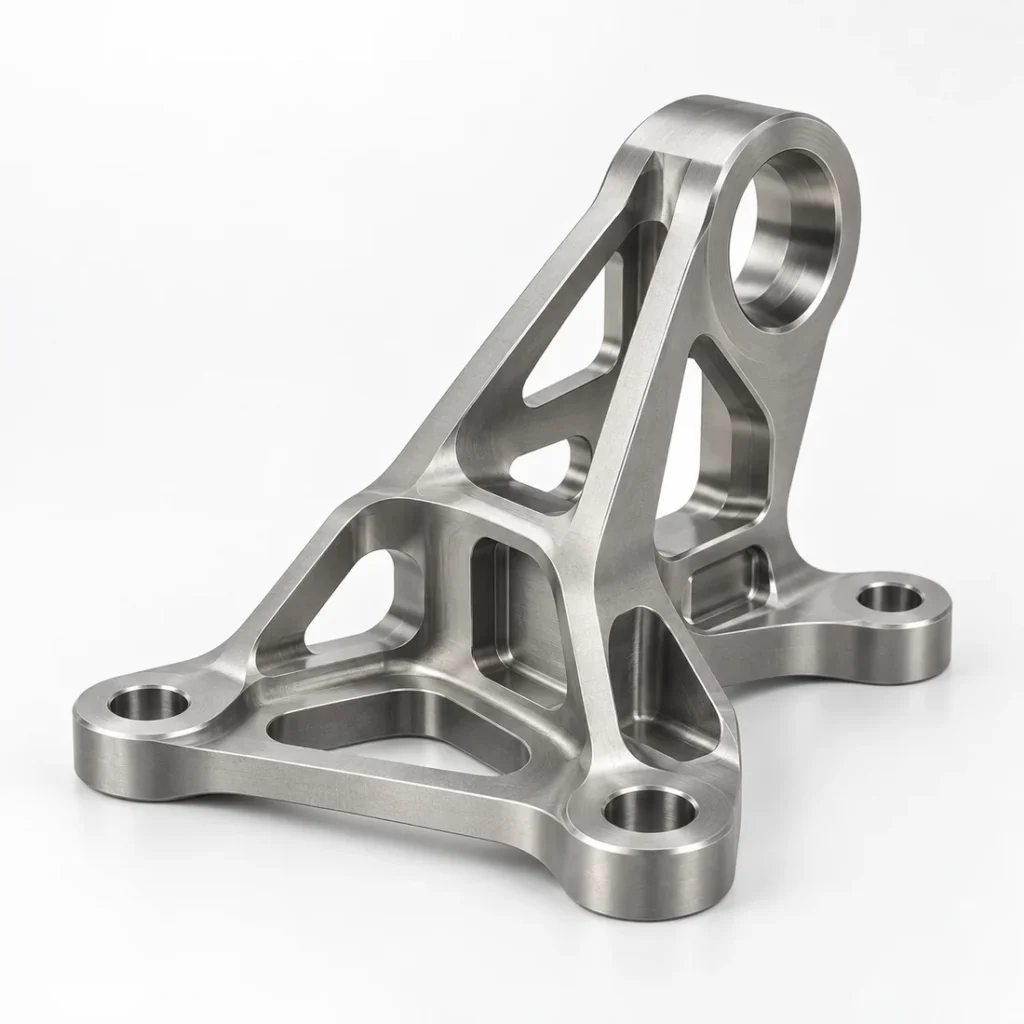
A titanium alloy used for lightweight, high-performance components in demanding applications.
Explore detailsApplications
Parts are planned around bend access, tooling and material behavior.
Welding and hardware requirements can be coordinated within the project.
Engineering review supports repeatable transition from prototype to batch.
Surface finishing
Color, texture, gloss, masking and coating build must be defined; grounding and mating areas may require protection.
Applicable to suitable aluminum grades and conditions, with bend appearance and electrical contact areas considered.
Selected according to alloy and environment. Cosmetic grain direction and protected faces should be shown on the drawing.
Design guidance
Clearly mark datums, fit requirements and inspection priorities.
Expected quantities and repeat demand help guide process planning.
Finish selection can affect tolerances, masking and dimensional allowance.
Material selection
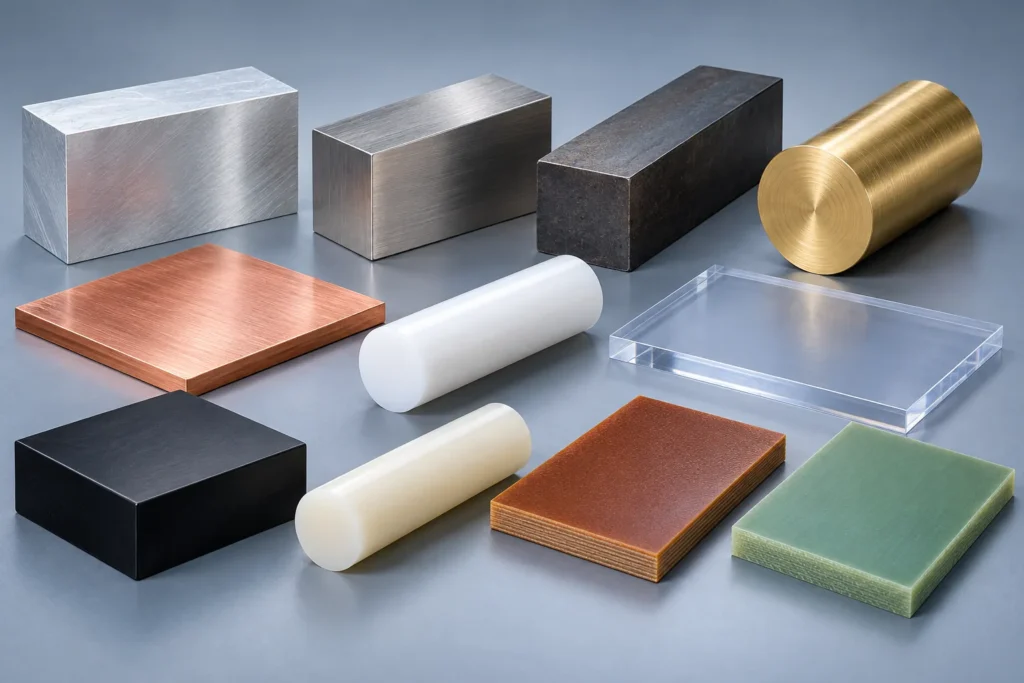
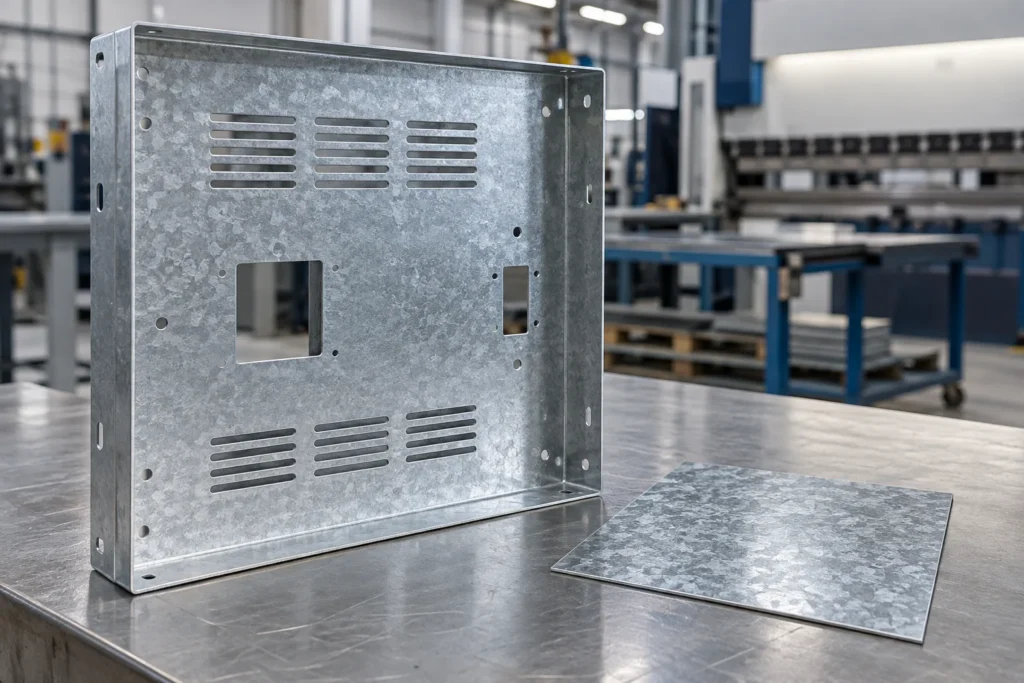
Aluminum 5052 is commonly considered where formability and corrosion resistance matter. Stainless grades can provide corrosion resistance and a durable appearance but springback and surface protection need attention. Cold-rolled and galvanized sheet serve different structural, coating and corrosion needs.
These are general material-selection notes, not confirmation that every grade or thickness is in stock. AYBERK confirms sourcing and process compatibility through the RFQ.
Quality
Flat-pattern dimensions do not alone establish the final function. Inspection may include formed angle, flange location, overall envelope, hardware position, joint condition and fit with mating parts. Coating can change hole and edge conditions, so the agreed inspection stage must match the drawing.
RFQ preparation
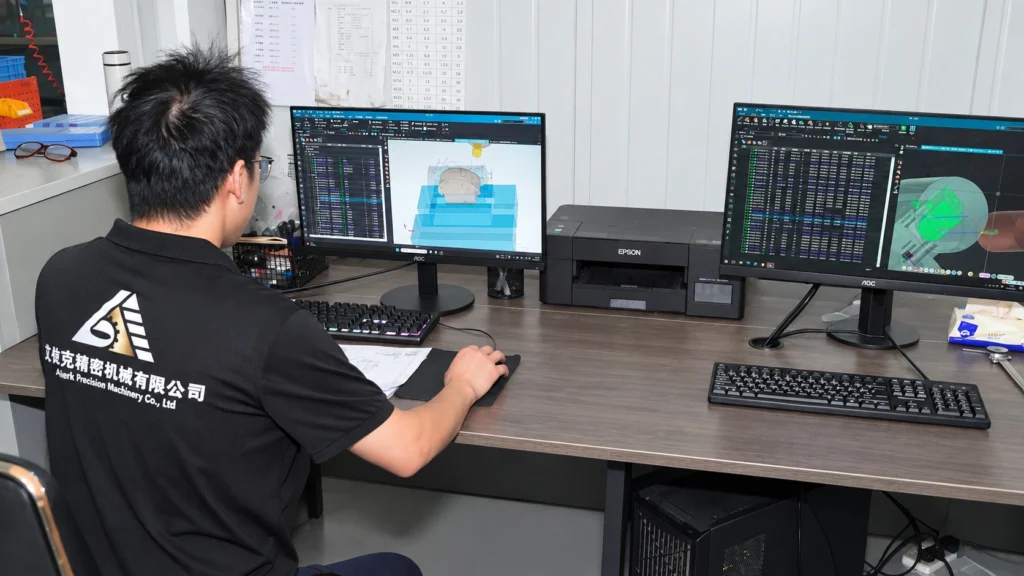
Include the finished 3D model and drawing, material grade, thickness, bend radii, grain or cosmetic direction, hardware, weld symbols and coating system. Distinguish reference flat-pattern dimensions from dimensions that control the finished assembly. Identify mating parts, critical hole locations, grounding points and surfaces that must remain free of coating. Quantity and repeat demand influence nesting, tooling and inspection planning. AYBERK reviews the formed condition and returns a manual quotation rather than using an automatic sheet-metal price calculator. Include assembly photographs when they clarify fit.
Production strategy
An early build can confirm bend deduction, springback, hardware access, weld sequence and fit with mating components. Approved corrections are then reflected in controlled production information instead of being left as undocumented shop-floor adjustment. For repeat work, material thickness, tooling, bend order and inspection references remain linked to the drawing revision. Cosmetic handling and protective film are also planned because a dimensionally correct panel can still fail an agreed visual requirement.
Gallery
Frequently asked questions
Provide 3D CAD, a controlled 2D drawing, material grade and condition, quantity, finishing, inspection and documentation requirements. Mark critical features and the current revision. AYBERK reviews the package manually before issuing a quotation.
Yes. Tolerance capability is feature-, material-, geometry- and process-specific. The team reviews the actual drawing and identifies questions or manufacturing risks before confirming the quotation; a general website value is not used as automatic approval.
No. AYBERK does not display automatically calculated prices. Submit the project files through the RFQ page for an engineering review and formal quotation.
Related capability
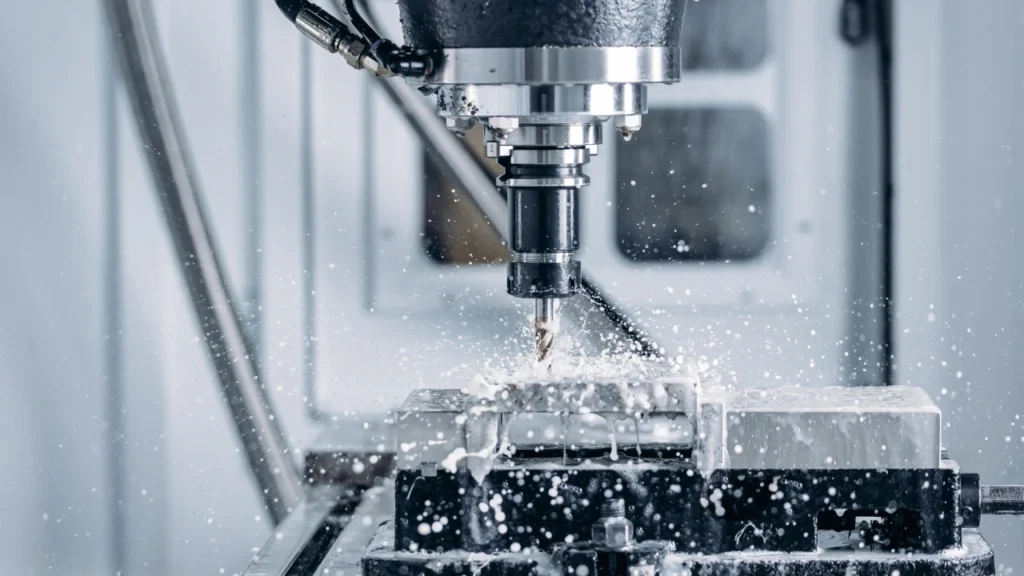
Custom CNC milling and turning for demanding metal and plastic components.
Explore details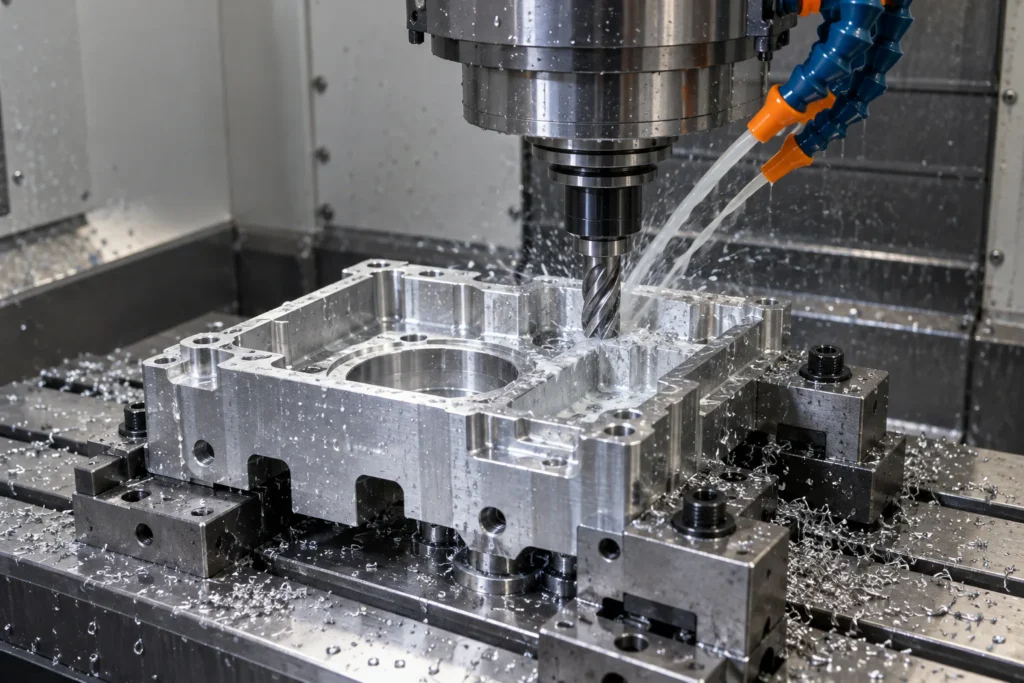
Precision milling for housings, brackets, plates and complex prismatic components.
Explore details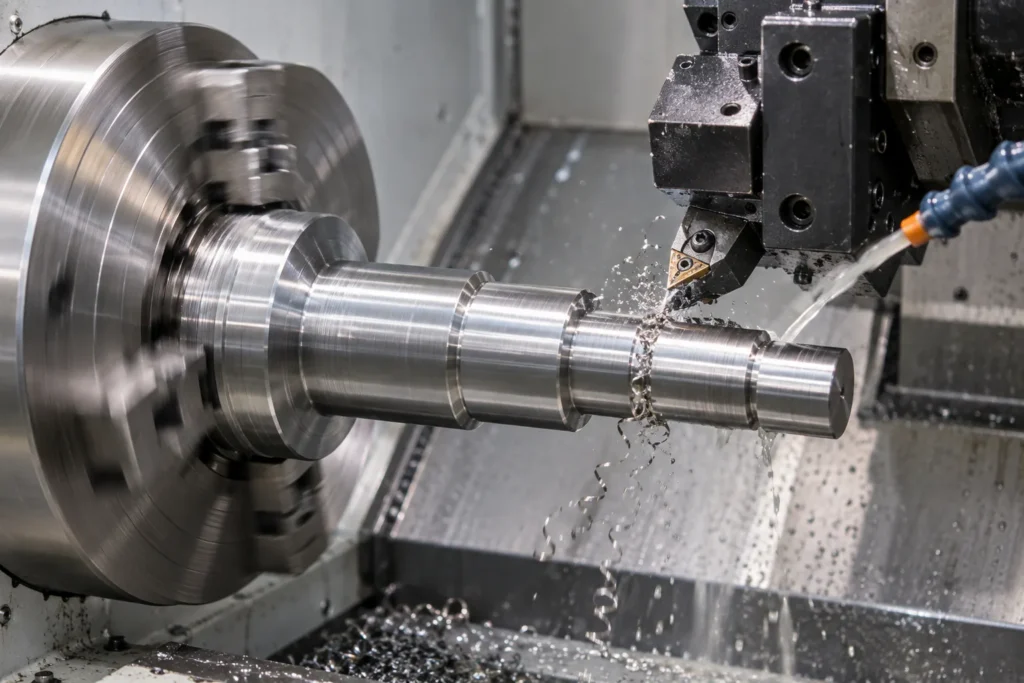
Precision turning for shafts, sleeves, bushings and rotational components.
Explore details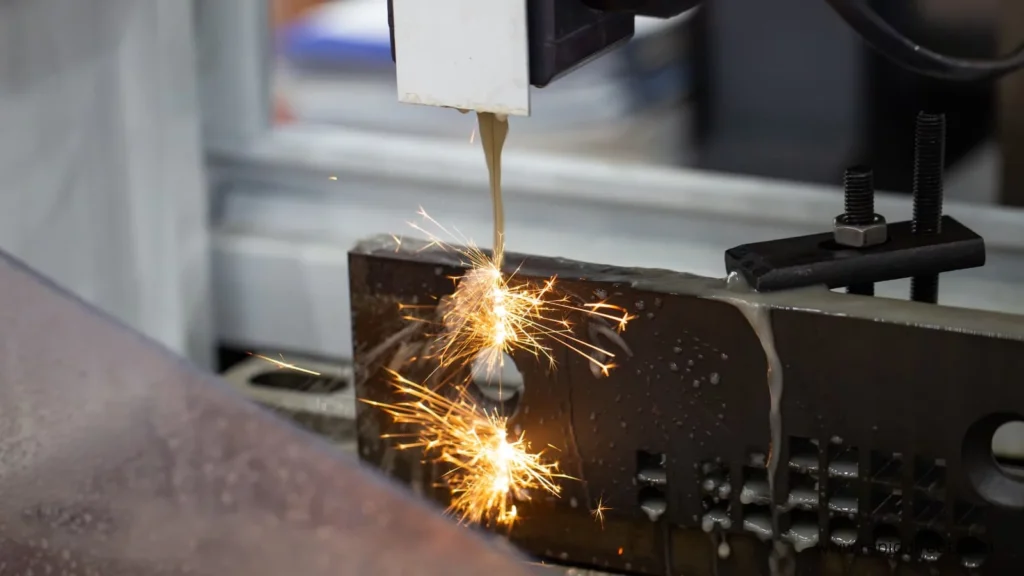
Controlled EDM processes for hardened materials, fine details and precision profiles.
Explore detailsEngineering review
Send the drawing, material requirement, quantity and inspection notes for a manual manufacturability and quotation review.